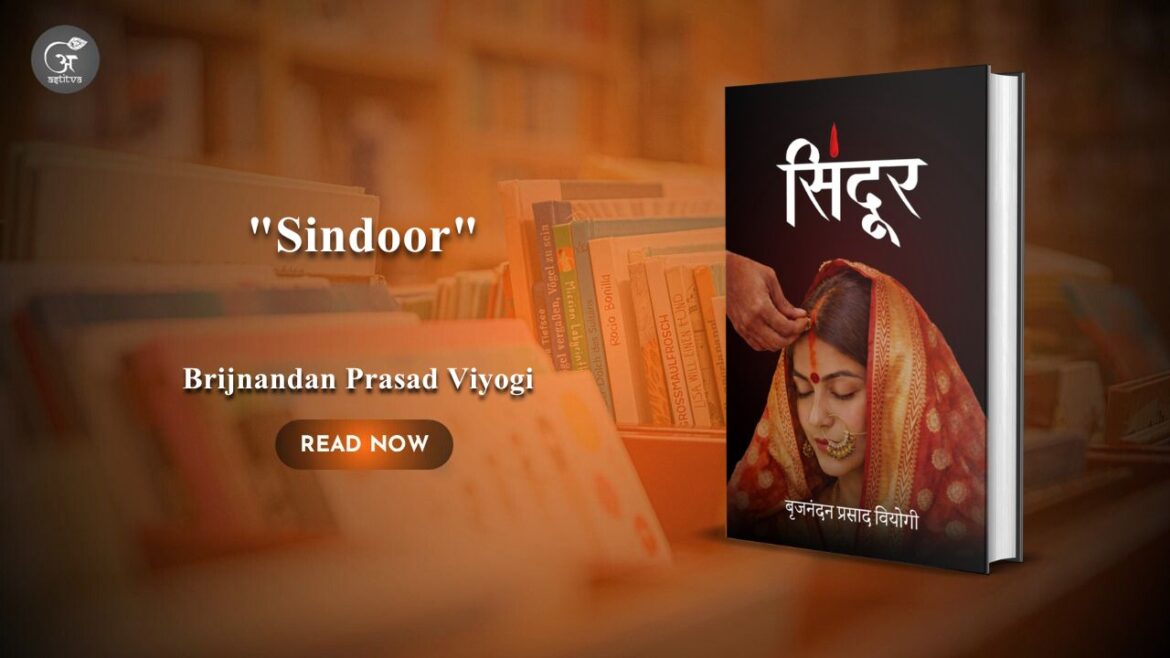
Sindoor is not merely a collection of stories; it is an emotional journey into the lives of women whose struggles often remain unnoticed. Through each narrative, the author highlights the silent suffering borne by women within families and society, while also portraying their courage, endurance, and unwavering self-respect. The title itself symbolizes the emotional and cultural identity associated with womanhood in Indian tradition, making the collection deeply rooted in social reality and human sensitivity.
In this compelling work, Viyogi presents women not as helpless victims, but as resilient individuals who continue to uphold their dignity despite countless hardships. The stories reflect themes of sacrifice, emotional conflict, social injustice, and the longing for respect and recognition. Every character appears realistic and relatable, allowing readers to connect emotionally with the situations portrayed in the book.
The language of Sindoor is simple yet powerful, enriched with emotional depth and social consciousness. Viyogi’s writing style captures the complexities of relationships and societal expectations with honesty and compassion. His narratives inspire readers to reflect on the status of women and the emotional realities hidden behind traditional social structures.
Brijnandan Prasad Viyogi has already established a respected position in Hindi literature through his earlier acclaimed works such as Dan Dahej, Sharabi, and Putravadhu (novels), along with the plays Izzat, Roti aur Beti, and Balidan. His writings consistently focus on social realities, human values, and emotional truth, earning him admiration among readers and critics alike.
The author’s literary contributions have also been recognized through several prestigious honors, including the Awadh Sahitya Gaurav Samman (2023), Sahitya Bhagirath Samman, and Hindi Bhasha Vibhushan Samman (2025). These accolades stand as testimony to his dedication toward enriching Hindi literature with meaningful and socially conscious works.
Apart from his literary achievements, Viyogi is also actively associated with journalism and currently serves as a district in-charge at the Indian National Journalists Federation in Kolkata. His engagement with society and grassroots realities reflects strongly in his writings, making his stories authentic and emotionally impactful.
Sindoor emerges as an immortal expression of feminine sensitivity, honor, and resilience. It is a book that not only entertains but also awakens empathy and social awareness. Readers who appreciate realistic storytelling and socially meaningful literature will find this collection both touching and thought-provoking.
With Sindoor, Brijnandan Prasad Viyogi once again proves that literature has the power to illuminate hidden truths, inspire reflection, and give voice to emotions that society often leaves unheard.