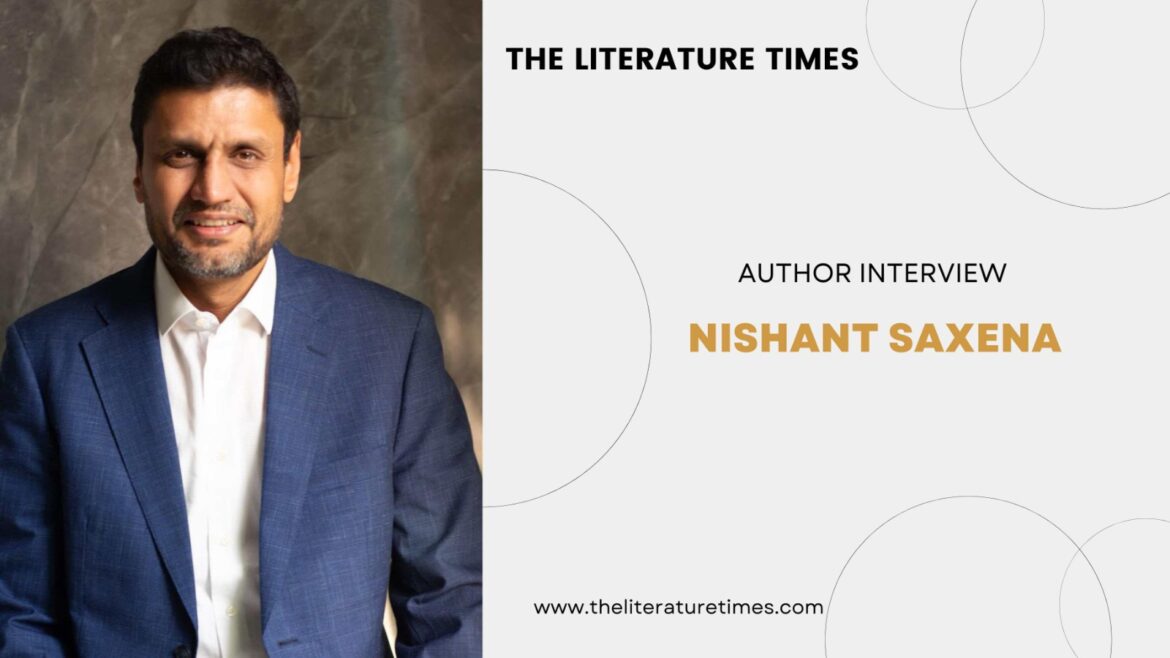
Nishant Saxena is a global business leader, CEO, and author with over two decades of experience in leadership, strategy, and organizational transformation. Currently serving as the Global CEO of Erba Transasia, he has led multicultural teams across Asia, Africa, and the Middle East, working in countries including Japan, Singapore, the Philippines, South Africa, and the UAE. An alumnus of NIT Tiruchirappalli and IIM Lucknow, Nishant is also a Distinguished Alumni Awardee, a board member at IIM Amritsar, and the curator of 99reads.org. In his book, Timeless Skills: Playbook to Climb the Corporate Ladder, he distills years of executive experience into practical lessons that help professionals break through career plateaus and become effective leaders.
The Literature Times: What inspired you to write Timeless Skills, and why did you feel this book was needed today?
Nishant Saxena: I kept meeting intelligent, hardworking professionals whose careers had stopped moving. They did not lack competence; they lacked a playbook for the unwritten part of corporate life. Timeless Skills is the book I wish someone had given me at 25.
The Literature Times: Your book explores why many professionals remain stuck in middle management. What are the most common reasons you’ve observed?
Nishant Saxena: They continue doing exceptionally well what got them promoted earlier. But senior roles require a shift— for example, from executing work to setting direction, influencing people who don’t report to you and taking care of our own motivation. Careers often stall not when people stop working hard, but when hard work alone stops being enough.
The Literature Times: You emphasize “timeless skills” over technical expertise. Which of these skills do you believe is most underrated, and why?
Nishant Saxena: Judgment. At junior levels, you are rewarded for finding the right answer. At senior levels, you are paid to choose between several imperfect answers—with incomplete information and limited time.
The Literature Times: The book is based on years of mentoring professionals and conducting leadership workshops. Was there a particular success story that reinforced your belief in this framework?
Nishant Saxena: The genesis of this book was a training we did at Cipla for middle managers where we coached them to learn incremental skills required for senior leadership. Over one Friday afternoon every month, for six months, we discussed the seven timeless skills. And also asked them to teach it to someone they cared, thereby cementing internalization and behaviour change. A dozen real case studies are given in the book, including testimonials both from candidates and corporate HR
The Literature Times: Having worked across multiple countries and cultures, how have your global experiences shaped your understanding of leadership?
Nishant Saxena: Culture changes the packaging, but human motivation changes less than we imagine. Everywhere, people respond to respect, fairness, clarity and a leader who keeps promises. Leadership may need translation, but its fundamentals rarely do. That said Hofstede index has identified specific differences in the Indian manager, esp in areas like power distance and indulgence.
The Literature Times: You mention that many people struggle to change habits that once made them successful. Why is this transition so difficult, and how can professionals overcome it?
Nishant Saxena: Because success makes habits feel sacred. The person who was rewarded for personally solving every problem must eventually learn to let others solve them. The hero has to become the architect—and heroes do not surrender the cape easily.
The Literature Times: What makes Timeless Skills particularly relevant for Indian professionals and leaders?
Nishant Saxena: Indian professionals are often highly trained in getting the answer right, but less trained in getting people aligned. As careers become global and organizations become flatter, communication, influence, delegation and stakeholder management matter as much as technical brilliance.
The Literature Times: The book combines personal anecdotes, insights from dozens of influential books, and practical exercises. How did you balance theory with actionable guidance?
Nishant Saxena: Every idea had to pass one test: can the reader use it in a meeting on Monday morning? If an insight sounded intelligent but could not change behaviour, it did not belong in the book. And then, will it be a fun read for the average manager.
The Literature Times: If you could give just one piece of career advice to young professionals aspiring to reach CXO roles, what would it be?
Nishant Saxena: Start operating one level above your title before asking for the title. Solve larger problems, understand the business beyond your function and make your manager’s life easier—not merely busier. Create visible business impact, not just activities, and keep track.
The Literature Times: Beyond climbing the corporate ladder, what do you hope readers will learn about leadership, personal growth, and long-term success from Timeless Skills?
Nishant Saxena: These are largely behavioural skills, so if mastered at office, they will also help at home. Many participants have written how these same timeless skills have helped them connect with their spouses and kids better.