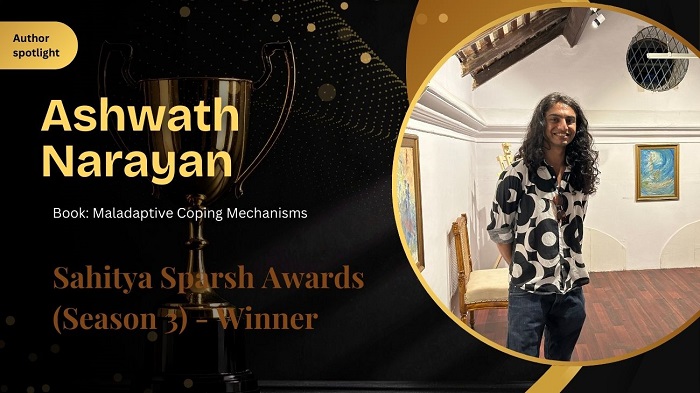
Ashwath Narayan, the acclaimed poet and behavioral psychology writer, has been recognized as the Winner of Sahitya Sparsh Awards – Season 3 for his poetry collection Maladaptive Coping Mechanisms. This powerful book delves into the long-term effects of childhood trauma, sexual assault, and narcissistic abuse, offering readers an intimate exploration of complex PTSD and its psychological manifestations. Narayan’s poetry captures dissociation, depression, and the fractured sense of self that follows profound emotional trauma. The collection, featuring evocative pieces like The Boy Who Knew Nothing, Stolen Voice, Damaged Goods, and Trauma Bond, offers a vivid portrayal of survival, introspection, and self-reckoning.
A Unique Voice in Behavioral Psychology Poetry
Ashwath Narayan stands out for blending psychological insight with artistic expression. His poems serve as both literature and an educational resource on trauma responses. By presenting personal experiences and fictionalized narratives, he allows readers to witness the emotional struggles of those affected by complex PTSD. The book examines how coping mechanisms formed in childhood can persist into adulthood, becoming both protective and limiting. Themes of identity, shame, and fragmented memory recur throughout, inviting reflection and empathy from readers.
The Inspiration Behind Maladaptive Coping Mechanisms
Narayan’s experiences as a doctor and animal welfare worker deeply inform his writing. His understanding of human psychology and empathy for suffering are evident in every poem. Maladaptive Coping Mechanisms was inspired by the need to shed light on the silent battles many individuals face daily. Narayan wanted to give voice to survivors and offer a space where their experiences are acknowledged and validated. He believes that poetry can function as a bridge between emotional pain and understanding, fostering awareness about mental health and trauma.
Themes and Literary Style
The poetry in Maladaptive Coping Mechanisms is raw, symbolic, and emotionally charged. Narayan employs metaphor and allegory to explore complex psychological states. For instance, Demon Time and Wretched Is This Demon illustrate internalized trauma as a relentless adversary, while Imposters and An Actor and a Fraud explore identity struggles and self-perception. Poems like Plot Twist and The Wizard of Oz use narrative storytelling to depict the deceptive and confusing nature of trauma, making abstract psychological concepts relatable for readers.
Bringing Awareness to Mental Health
A key objective of Narayan’s work is to raise awareness about mental health. His poetry does not merely recount pain but examines the mechanisms humans adopt to cope with adversity. Through pieces such as Stolen Voice, No Escape, and Trauma Bond, the poet highlights the emotional constraints survivors face and their journey to reclaim autonomy. The collection emphasizes self-reflection and healing, encouraging readers to acknowledge and confront their own experiences.
Life Beyond the Pen
Outside of writing, Ashwath Narayan leads a life dedicated to healing and service. As a doctor, he works closely with people navigating physical and emotional challenges. Additionally, his passion for animal welfare demonstrates his compassion extends beyond humans; he resides in Bangalore with his rescue dogs, balancing his professional and personal commitments. This dual engagement with care and empathy enriches his poetry, providing authenticity and depth.
Connecting with Readers
Narayan actively encourages readers to engage with his work. His poetry resonates not only with survivors of trauma but also with mental health professionals, students, and literature enthusiasts. Maladaptive Coping Mechanisms is available for purchase through online retailers and select bookstores. Readers can also connect with him on social media platforms to follow his latest work and projects, making his writing accessible to a broad audience.
Recognition and Future Projects
Winning the Sahitya Sparsh Awards – Season 3 has been a milestone for Narayan, affirming his dedication to using poetry as a tool for both expression and education. His recognition highlights the importance of literature that addresses behavioral psychology, trauma, and recovery. Looking ahead, Ashwath Narayan continues to explore mental health through poetry and plans future projects aimed at deepening conversations around trauma, resilience, and human experience.
Conclusion
Ashwath Narayan is a unique voice in contemporary poetry, blending psychological insight with literary artistry. Maladaptive Coping Mechanisms is a testament to his ability to confront trauma with honesty, compassion, and reflection. Through his words, readers gain not only a literary experience but also a profound understanding of the human psyche and the complexities of healing. This author spotlight celebrates Narayan’s achievements and invites audiences to explore his work, connect with his journey, and reflect on the enduring power of poetry as a medium for empathy and awareness.