Yet a closer look at contemporary reading trends suggests a deeper shift. Many readers today appear to be seeking not just amusement, but reflection : texts that help them make sense of their identities, their societies, and an increasingly complex world. Entertainment still matters, but it may no longer be the primary reason people read.
Author: Sakshee Sahu
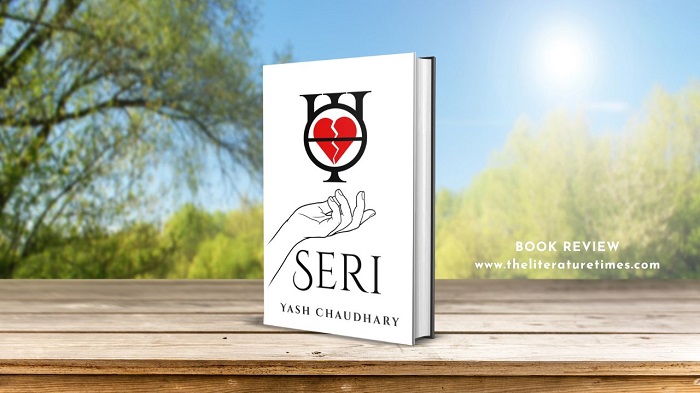
BOOK CRITIC REVIEW: Seri
Yash Chaudhary’s Seri positions itself within the expanding landscape of introspective literature, but it stands out due to its delicate emotional architecture and poetic undertones. At its core, the book is a meditation on the heart’s internal battles—its capacity to feel, to break, to forget, and to heal. While many contemporary writers attempt to explore human emotion through complex narratives, Chaudhary takes an alternative route: he centers the heart as the protagonist and the emotional journey as the plot.

AUTHOR FEATURED: Yash Chaudhary
Yash Chaudhary, the author of Seri, represents a rare fusion of discipline and sensitivity—a civil engineer who navigates the structured world of technical work while nurturing a deep connection with art and emotion. His journey as a writer emerges not from traditional literary circles but from a life shaped by introspection, observation, and an unwavering belief in the profound power of emotions.
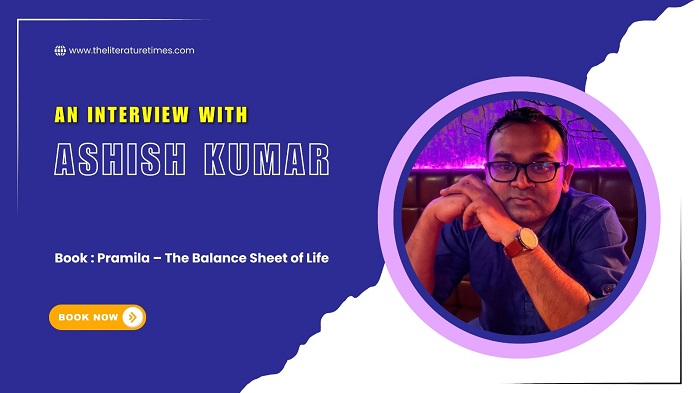
An Interview with Ashish Kumar
The Literature Times: Ashish Kumar, The Balance Sheet of Life uses a financial metaphor to explain personal growth. What inspired you to connect life and self-reflection with the concept of a balance sheet?
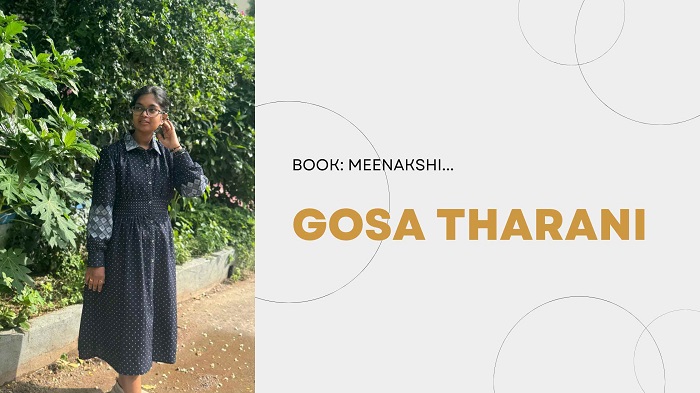
An Interview with Gosa Tharani
Gosa Tharani is an Indian writer and director known for her emotionally resonant storytelling and poetic simplicity. Writing under the pen names “Ink of Emotion” and “acos teller,” she creates narratives that explore love, self-discovery, and the quiet strength of human vulnerability. Meenakshi, her second book, is a tender reflection of modern relationships and personal courage set against the vibrant backdrop of Mumbai.
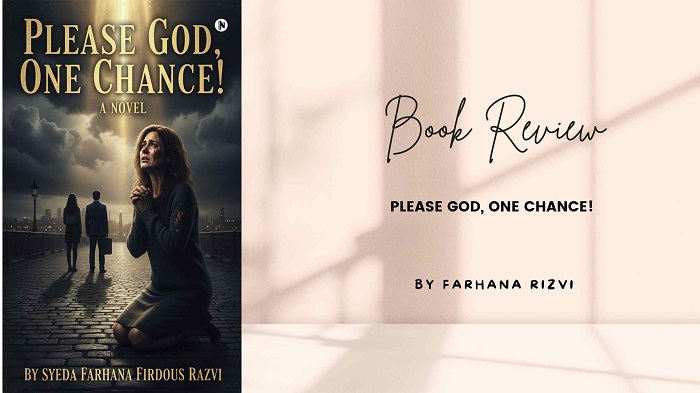
Book review- Please God, One Chance! by Farhana Rizvi
Please God, One Chance! by Farhana Razvi is a gripping blend of suspense, emotional reckoning, and psychological depth that unfolds like a slow-burning storm—quiet at first, then relentless in its impact. The novel follows Bellatrix Daniel, a woman marked by trauma, survival, and unanswered questions, whose attempt to outrun death only leads her back to the very truths she tried to escape.
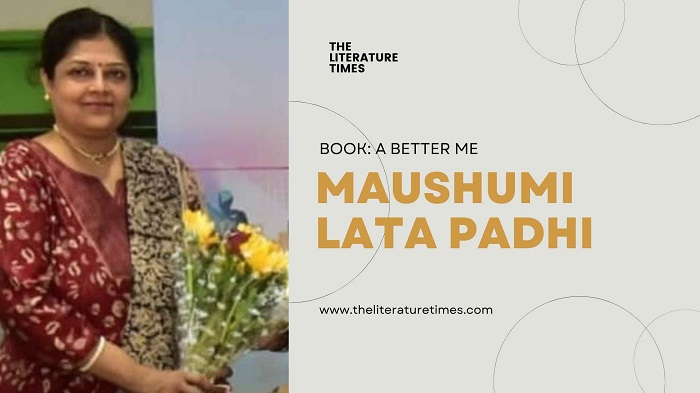
An Interview with Maushumi Lata Padhi
Maushumi Lata Padhi is a poet and seasoned civil servant with over 32 years of experience in public service. Through her poetry, she channels hope, resilience, and quiet strength drawn from everyday life. Calling herself “2 in 1”—both a teacher and a lifelong student—she believes learning and teaching are inseparable journeys. Her debut poetry collection, A Better Me, reflects her deep belief in transformation through courage, simplicity, and an unwavering spirit to rise above life’s challenges.
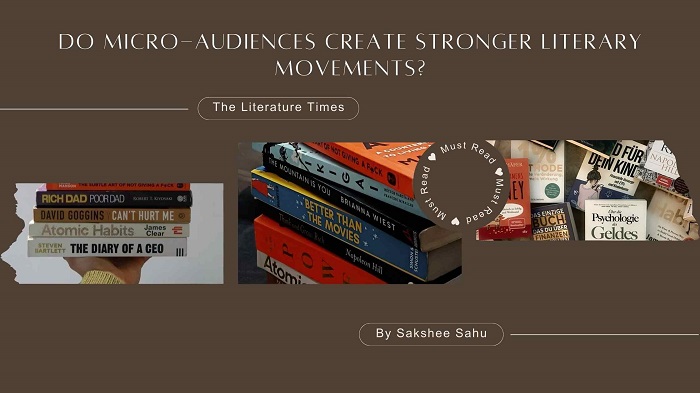
Do Micro-Audiences Create Stronger Literary Movements?
These someones—small, specific, deeply invested reader groups known as micro-audiences are changing how books are promoted, how authors build brands, and how literary movements are formed. While traditional publishing once equated success with scale, today’s most resilient literary ecosystems often begin small, intimate, and intentional.
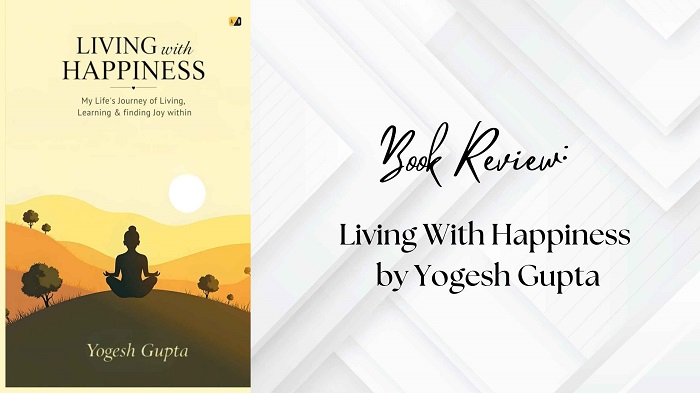
Book Review- Living With Happiness by Yogesh Gupta
Living With Happiness by Yogesh Gupta is a gentle yet deeply reflective book that invites readers to rethink one of the most universal human pursuits—happiness. Rather than presenting happiness as a destination to be reached through success, wealth, or recognition, the book reframes it as a way of living, rooted in awareness, gratitude, and inner balance.
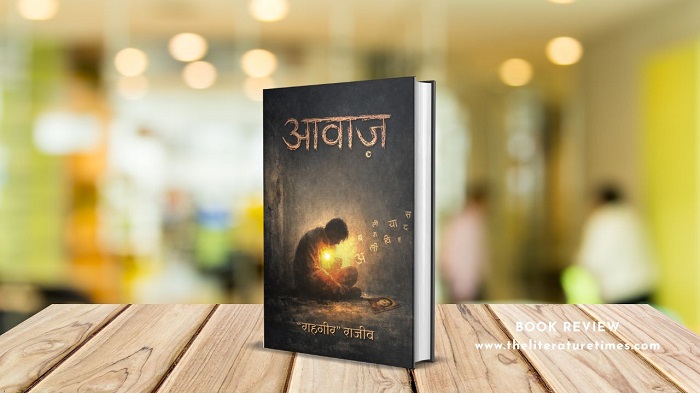
Book Review: Awaaz by Rahgir Rajeev
Awaaz by Rahgir Rajeev is not merely a collection of poems; it is an emotional testimony, a quiet yet powerful rebellion against silence, neglect, and unfulfilled longing. This book feels like a confessional where the poet does not hide behind metaphors to escape pain, but instead uses them to confront it.
Load More