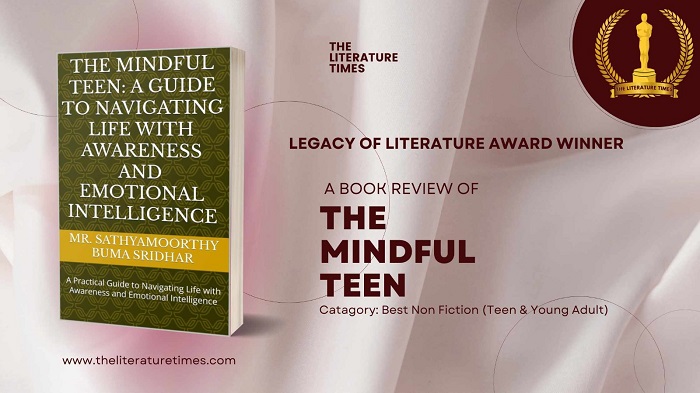
The Mindful Teen: A Guide to Navigating Life with Awareness and Emotional Intelligence arrives at a moment in history when teenagers are more inundated with external pressures, internal confusion, and rapid digital change than ever before. In this highly practical and compassionate guide, the author addresses the modern adolescent’s unique challenges and offers a toolkit grounded in mindfulness, emotional intelligence, and psychological well-being. The book is not only timely but essential, offering teenagers an accessible and empowering way to take charge of their inner lives while navigating the unpredictable landscape of growing up.
From the outset, the book sets a tone that is warm, non-judgmental, and deeply empathetic. Unlike didactic self-help manuals that talk down to teens, The Mindful Teen meets young readers where they are—emotionally, intellectually, and socially. Its language is direct yet sensitive, practical yet encouraging. It acknowledges that adolescence is a time filled with emotional upheaval, shifting identities, and societal expectations, yet it refrains from pathologizing these experiences. Instead, it frames them as normal parts of development that can be navigated with greater ease and clarity through mindfulness and emotional self-awareness.
One of the book’s strongest aspects is its structure. Rather than overwhelming readers with abstract theories or rigid instructions, the author presents each topic as a self-contained yet interconnected chapter. Themes such as digital well-being, body image, relationships, sexuality, mental health, and goal-setting are tackled with both realism and hope. The inclusion of anecdotes—drawn either from composite case studies or real-life examples—adds relatability and depth, helping readers see themselves reflected in the pages. These narratives are not sugar-coated. They touch on the real struggles teenagers face, from social media anxiety and academic pressure to relationship confusion and self-esteem issues, making the book feel authentic and trustworthy.
The chapter on digital well-being is particularly insightful, given how central screens are to the lives of modern teens. The author does not adopt a fear-based approach to technology, nor does the book promote digital abstinence. Instead, it encourages intentional and mindful use of digital tools, helping readers reflect on how social media affects their mood, how to set boundaries with screen time, and how to recognize and avoid toxic online behaviors, including cyberbullying. The advice is practical, not preachy—suggesting ways to implement small yet powerful changes in daily habits that lead to more balanced digital consumption.
In addressing relationships and sexuality, The Mindful Teen takes a progressive, inclusive, and respectful approach. The book demystifies topics that are often cloaked in embarrassment or misinformation. It encourages open, honest discussions about consent, boundaries, emotional connection, and the influence of pornography. The emphasis here is on respect—for oneself and for others. There’s a refreshing acknowledgment of diverse identities and orientations, and the book avoids moralizing. Instead, it offers tools to navigate complex relational dynamics while honoring one’s values and boundaries.
Body image and self-esteem—topics that are inextricably linked with both internal development and external social influences—are explored with nuance and care. The book challenges mainstream beauty standards and the damaging narratives perpetuated by media. It encourages teens to shift their focus from appearance to function and self-worth, inviting them to reflect on how they speak to themselves and how their body image impacts their mental well-being. Through guided exercises, affirmations, and reflective prompts, readers are equipped to begin re-framing their inner dialogue and practicing self-compassion.
One of the book’s standout achievements is its treatment of mental health and emotional regulation. Rather than glossing over these issues or offering overly simplistic solutions, the book dives into them with clarity and kindness. It explains the physiological roots of stress and anxiety, introduces mindfulness-based stress reduction techniques, and shows teens how to build emotional resilience. The integration of mindfulness is not merely conceptual—it is made practical through breathing exercises, journaling prompts, grounding techniques, and meditative practices tailored to adolescent readers. This gives readers agency and tools they can apply in real-time, whether they’re facing exam stress, friendship conflicts, or internal struggles.
In addition to emotional self-care, The Mindful Teen emphasizes the importance of physical well-being. The book encourages teens to take care of their bodies through proper sleep, nutrition, movement, and creative expression. What’s impressive is that these topics are not presented in isolation but woven into the broader conversation about mental health and self-awareness. For instance, the connection between poor sleep and emotional instability is explored in ways that help teens understand the holistic nature of well-being.
Goal-setting and purpose are addressed through a lens of growth mindset and self-discovery. The book guides teens in exploring their passions, recognizing intrinsic motivation, and setting realistic, flexible goals. It acknowledges that pressure to succeed can be immense, especially in competitive academic and social environments. Rather than feeding into that pressure, the book provides a refreshing counter-narrative: that growth happens through effort, mistakes, curiosity, and a willingness to evolve.
A particularly valuable aspect of the book is its emphasis on seeking help and building supportive networks. Too often, teenagers are made to feel that asking for help is a weakness or that they must navigate their problems alone. The Mindful Teen dispels this myth by offering guidance on when, where, and how to seek support—from parents, mentors, counselors, or peer groups. It also emphasizes the value of community, connection, and vulnerability in building mental strength.
If there’s a critique to be made, it might be that the book occasionally leans heavily on guided exercises and might benefit from including more open-ended narratives from real teens. While the author’s voice is trustworthy and calm, adding more direct testimonies or diverse stories could further enrich the reader’s connection to the material. Additionally, readers who are not already inclined toward introspection may initially find some of the mindfulness practices unfamiliar or challenging. However, the author anticipates this resistance and offers gentle encouragement, always emphasizing progress over perfection.
Ultimately, The Mindful Teen is more than a guide—it is a companion. It doesn’t promise quick fixes or definitive answers, but it does provide clarity, tools, and hope. It recognizes that being a teenager today is complicated, sometimes painful, and often overwhelming. But it also affirms that growth, healing, and joy are possible. For teens struggling to make sense of their inner world or simply looking to live with more awareness and intention, this book is a deeply affirming resource. Parents and educators would also do well to read it, both to better understand the adolescent experience and to support the young people in their lives.
In a world of noise, The Mindful Teen is a much-needed voice of calm and clarity—an empowering guide that encourages teenagers not only to survive adolescence but to thrive through it, one mindful step at a time.