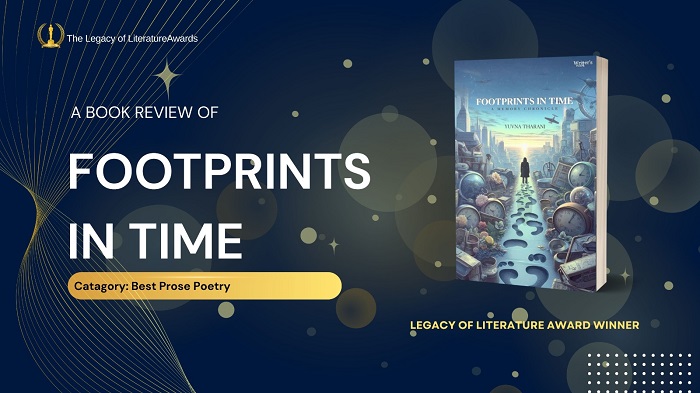
The passage unfolds like a delicate piece of literary art, a poetic meditation on memory that draws the reader into an intimate emotional landscape filled with longing, introspection, and the quiet ache of lived experience. From its first line, it becomes clear that this is not merely a reflection on the past—it is a profound exploration of the human condition, expressed through evocative metaphor and lyrical prose. The narrator invites us into a deeply personal inner world where memories are not static recollections but vibrant, living threads that continue to shape, soften, and sometimes wound the present. What emerges is a resonant piece that feels at once universal and distinctly personal, capturing the way time weaves beauty and pain into the fabric of our lives.
The metaphor of a tapestry forms the structural and emotional backbone of the writing. Memories are not isolated events but intricately woven threads, each one essential in creating the mosaic of who we are. This imagery is especially powerful because it suggests both artistry and inevitability; the narrator has not simply collected these memories but has been shaped by them, stitched together by moments of joy, sorrow, regret, and tenderness. The comparison of memories to a “haunting melody” deepens the emotional resonance, capturing how recollections can linger long after their moment has passed, filling the heart with echoes that cannot be silenced. It is this interplay of joy and sadness that gives the piece its compelling emotional texture. The writer does not shy away from the darker tones of human experience—regret, loss, longing—but neither do they dismiss the moments of joy that shimmer despite the shadows.
What makes the passage especially striking is its balance of vulnerability and universality. While it feels deeply personal, it speaks to emotions that every reader can recognize. The acknowledgment of fragility, of the fleeting nature of time, is something that resonates across age and experience. Everyone has moments they wish they could reclaim and others they wish they could forget, and the writing captures this duality with graceful honesty. The phrase “the fragility of time and the depth of human connection” encapsulates a profound truth: that the moments which touch us most deeply are often those that pass too quickly, leaving behind a blend of gratitude and sorrow that becomes inseparable from who we are.
The narrator’s journey through nostalgia is described as a landscape, an image that suggests both vastness and terrain that must be navigated. This portrayal is effective because it reminds us that reflection is rarely linear; it is an emotional journey filled with peaks and valleys, detours and returns. The writing captures this beautifully, conveying the sense of movement through memories that evoke both laughter and tears. The emotional transitions are seamless, reflecting the way real memories often surface—not neatly categorized but intertwined, rising together to paint a fuller picture of one’s past.
One of the most poignant elements of the passage is the portrayal of memories as “silent storytellers.” This phrase conveys the idea that memories hold truths we may not always articulate but that continue to inform our identity, our choices, and our understanding of the world. They speak not through words but through sensations, emotions, and reflections that rise within us. The simplicity of this idea belies its depth, as it suggests that our memories hold wisdom, secrets, and lessons that shape us long after the moments themselves have faded.
The emotional power of the writing lies not only in its themes but in its language. The prose is poetic without becoming overwrought, lyrical without sacrificing clarity. Each sentence feels meticulously crafted, filled with metaphors that enhance rather than overshadow the emotional message. Phrases like “sparkle amidst the shadows” and “resonate within my soul” are grounded in genuine sentiment, avoiding cliché by virtue of the sincerity with which they are delivered. The writing flows with a natural rhythm that mirrors the undulating movement of memory itself—gentle, reflective, sometimes heavy, yet undeniably beautiful.
What makes the piece truly memorable is the equilibrium it maintains between solace and sorrow. It does not attempt to romanticize pain or diminish joy. Instead, it embraces the truth that human experience is composed of both, inseparable and equally meaningful. The final lines, which describe memories as a reminder of “life’s transient beauty and enduring scars,” capture this theme with remarkable clarity. They suggest that the value of memory lies not only in its sweetness but also in its ability to remind us of what we have survived, cherished, and lost. It is an affirmation that beauty and pain are intertwined, and that both are essential threads in the tapestry of a life fully lived.
In sum, this piece is a moving and elegantly written reflection on memory, time, and the emotional echoes that continue to shape us long after the moments have passed. Through its lyrical prose and profound thematic insights, it invites readers to reflect on their own journeys, their own tapestries woven from joy and sorrow. It is a work that lingers in the mind, much like the memories it describes, offering a quiet reminder of our shared humanity and the enduring power of the past to inform the present.