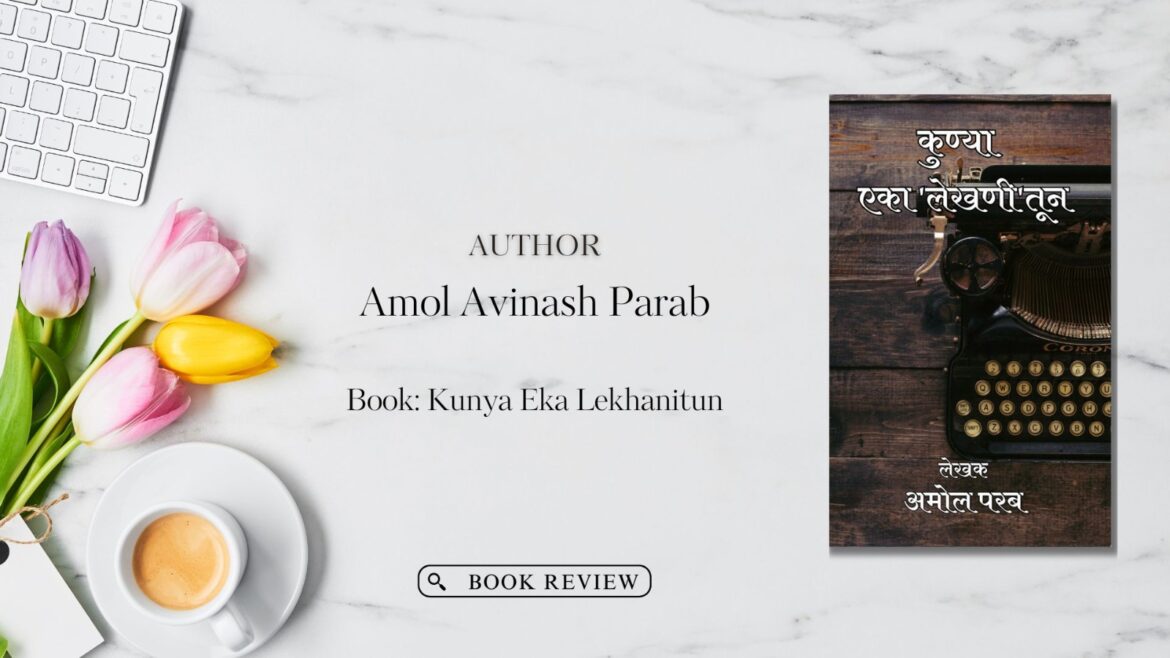
Kunya Eka Lekhanitun by Amol Avinash Parab is a rich and multifaceted anthology that showcases the sheer versatility of contemporary Marathi storytelling. Comprising eighteen short stories, this collection offers readers an intimate look into the myriad shades of human emotion and experience. What makes this book stand out is not just its thematic variety, but the way Parab captures the essence of ordinary lives with extraordinary sensitivity and imagination.
The collection begins with seemingly simple narratives but gradually reveals the complex emotional undertones that lie beneath. Stories like Eka WhatsApp Chi Gosht and Mi Nahi Bolnar Ja delve into the innocent yet perceptive world of children, revealing how even the smallest events can leave a deep impression on young minds. These stories are written with a gentleness that avoids sentimentality, offering instead a genuine portrayal of childhood curiosity, confusion, and resilience.
On the other end of the emotional spectrum, stories such as Nishabd, Andaz, and Guilty Mind plunge into the inner lives of adults, revealing unspoken regrets, quiet guilt, and the intricacies of emotional restraint. Parab’s strength lies in his ability to write silence—to give voice to thoughts that characters hesitate to articulate, allowing readers to fill in the emotional gaps through empathy and introspection.
A distinctive feature of the book is its inclusion of horror and the supernatural. Parab, already known for his debut collection Thrill, once again exhibits his flair for crafting suspenseful and psychologically gripping stories. The horror elements are subtle and more existential than grotesque, often functioning as metaphors for internal turmoil or societal decay. This intelligent use of genre elevates the book from being just a collection of stories to a reflective mirror of our deepest fears and desires.
One of the most creative aspects of Kunya Eka Lekhanitun is the set of stories inspired by iconic Hindi film songs like Aapki Aankhon Mein Kuch and Zara Zara Mehekta Hai. These narratives transform beloved melodies into vivid, emotionally charged tales, bridging the auditory and literary arts in a way that feels both nostalgic and novel. These pieces not only evoke sentiment but also demonstrate Parab’s ability to reinterpret cultural elements through a fresh literary lens.
What binds the collection together is its refusal to be confined to one tone, style, or genre. Whether it’s the poignant story Refuge Area, which was adapted into a short film and earned a Cannes nomination, or the socially reflective tales that question norms and provoke thought, each narrative brings with it a distinct voice and perspective. The anthology mirrors life itself—chaotic, calm, joyful, terrifying, and above all, unpredictable.
Amol Parab’s background as a civil engineer adds an interesting dimension to his writing. There’s a structural clarity in how he builds his narratives, yet he never allows technical precision to overshadow emotional depth. His writing is accessible yet layered, making it suitable for a broad readership—from casual readers to literary enthusiasts. The language is lyrical without being dense, striking a balance that enhances readability while maintaining artistic integrity.
What truly sets this book apart is the honesty of its intent. Parab writes not to impress, but to connect. His stories don’t shout; they whisper truths that stay with you long after the last page is turned. He writes with the heart of a poet, the curiosity of a child, and the wisdom of a seasoned observer of life.
Kunya Eka Lekhanitun is not just a collection of stories—it is an emotional experience. It invites the reader to pause, reflect, and engage with the subtle beauty and complexity of everyday life. With this book, Amol Avinash Parab cements his place as a compelling voice in Marathi literature, one who understands that the most powerful stories often emerge from the simplest moments, told with honesty and heart.