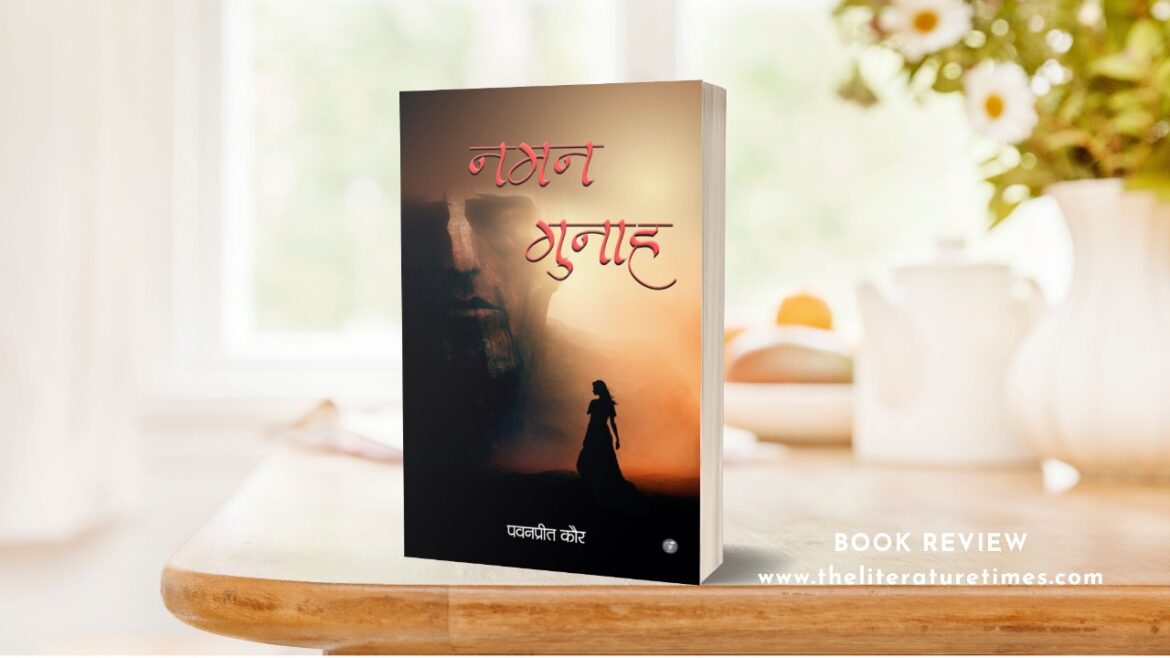
Naman Gunaah by Pawanpreet Kaur is a deeply introspective and psychologically immersive novel that transcends the boundaries of a traditional narrative. The story revolves around Imaan, a complex and layered character whose internal world is as turbulent as the reality she inhabits. Through her, the author explores themes of guilt, mental instability, existential confusion, and the haunting grip of sleep paralysis—all woven into a fictional yet strikingly relatable psychological landscape.
Imaan, a brilliant doctor working in a mental hospital, appears successful on the outside but is battling turmoil within. Haunted by unexplained visions and trapped in an emotional loop of unspoken guilt and pain, she embarks on a journey to uncover the sins that she believes have shaped her troubled existence. The brilliance of Kaur’s storytelling lies in how she blurs the line between reality and illusion, inviting readers into Imaan’s fractured perception of the world, where dreams collide with memories and subconscious fears take physical form.
One of the most intriguing elements of the book is the introduction of Meem, a mysterious patient whose presence serves as both a mirror and a metaphor. Meem—whose name implies a distant, unreachable place—represents the unreachable parts of Imaan’s own psyche. Their interactions are fragmented and surreal, filled with cryptic dialogues and emotional undercurrents that tug at the soul. It is through Meem that Imaan confronts the deeper questions about identity, redemption, and the illusion of control.
The concept of sleep paralysis, used as a symbolic device, adds a compelling layer of tension to the narrative. In Naman Gunaah, sleep paralysis becomes more than a medical condition—it is a psychological prison, a metaphor for being stuck in the cycles of regret, fear, and helplessness. The looping of time, the eerie visions, and the hallucination-like experiences are not just chilling but evocative of the internal battles many people face but cannot articulate.
Pawanpreet Kaur’s prose is poetic and lyrical, yet laced with unsettling imagery that mirrors the novel’s haunting atmosphere. Her ability to portray mental and emotional disintegration with such depth and sensitivity is commendable. Rather than presenting Imaan as a victim, Kaur gives her agency, allowing readers to witness both her vulnerability and strength as she attempts to navigate her inner chaos.
Beyond its psychological narrative, Naman Gunaah also serves as a commentary on societal issues—the arrogance of mankind, the loss of empathy, and the danger of believing oneself to be superior to divine creation. These reflections elevate the novel from a personal story to a philosophical exploration of humanity’s darker impulses.
In conclusion, Naman Gunaah is a gripping and thought-provoking work that stays with you long after the final page. It invites readers into a shadowy world of doubt and revelation, pain and healing, illusion and truth. Pawanpreet Kaur has crafted a bold and unconventional story that is as emotionally challenging as it is artistically enriching. For those who enjoy psychologically rich fiction with symbolic depth and poetic narration, this book is an unmissable read.