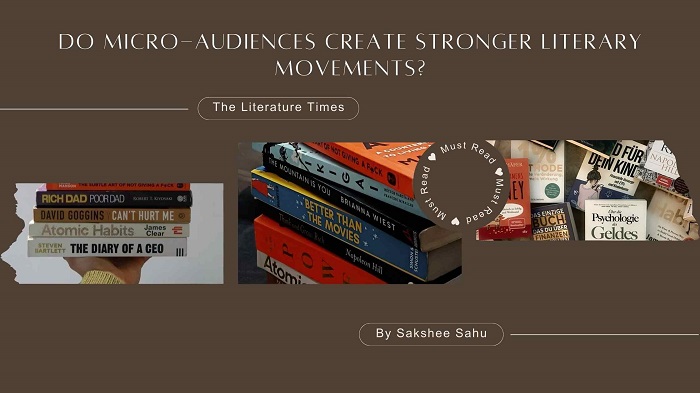
In an era dominated by algorithms, mass visibility, and viral ambition, the literary world is quietly undergoing a counter-shift. Instead of chasing everyone, more authors are learning to write for someone. These someones—small, specific, deeply invested reader groups known as micro-audiences are changing how books are promoted, how authors build brands, and how literary movements are formed. While traditional publishing once equated success with scale, today’s most resilient literary ecosystems often begin small, intimate, and intentional.
Get Free Publishing Guide:
The Power of Small, Devoted Reader Communities
Micro-audiences are not defined by size but by intensity. They are readers who feel seen by an author’s work—through shared identity, niche interests, genre specificity, or emotional resonance. A poet writing about diaspora, a novelist exploring climate grief, or a nonfiction author focused on slow living may never appeal to everyone, but they can matter profoundly to a few thousand people. That depth of connection is what gives micro-audiences their power.
From a promotional standpoint, these readers don’t just buy books; they advocate for them. They show up to readings, share quotes organically, recommend titles in trusted circles, and follow an author across platforms and projects. This kind of engagement cannot be manufactured through ads alone. It grows through consistency, authenticity, and a clear literary voice. For authors, this means promotion shifts from broadcasting to relationship-building. Newsletters become conversations, social media becomes a shared space rather than a billboard, and events—such as open mics, salons, or virtual readings—become community rituals.
Historically, many literary movements began this way. Modernism, the Beat Generation, and spoken word poetry all emerged from tight-knit groups before reaching wider recognition. The difference today is that digital tools allow micro-audiences to remain connected across geography, sustaining momentum without requiring mainstream validation. The result is a literary culture that feels less centralized and more pluralistic.
Micro-Audiences and the Evolution of Author Branding
Author branding has often been misunderstood as self-promotion stripped of substance. In reality, a strong author brand is simply clarity—clarity of voice, values, and purpose. Micro-audiences help authors achieve this clarity because they reward specificity, not dilution. When an author tries to appeal to everyone, their brand becomes vague. When they write with a particular reader in mind, their identity sharpens.
Branding in this context is not about logos or aesthetics alone, but about trust. Readers come to associate an author with certain themes, emotional experiences, or intellectual frameworks. Over time, the author’s name itself becomes shorthand for a promise: this book will make you feel understood, or this work will challenge how you see the world. That promise is easier to keep—and to communicate—within a micro-audience.
For book promotion, this has tangible implications. Launch strategies become more targeted: smaller events, collaborations with aligned creators, partnerships with niche bookstores or communities. Instead of measuring success solely by bestseller lists, authors track engagement, retention, and long-term reader loyalty. This model favors sustainability over spikes. It allows authors to release books that may not explode on arrival but continue selling steadily because the audience remains invested.
Must Read: https://www.theliteraturetimes.com/can-indie-authors-compete-without-playing-the-algorithm-game/
Importantly, micro-audiences also give authors creative freedom. When writers are not chasing mass appeal, they can take risks, experiment with form, and deepen their thematic focus. This creative confidence often leads to more original work—work that, paradoxically, is more likely to influence the broader literary landscape over time.
From Micro-Audiences to Literary Movements
The question, then, is whether micro-audiences can create not just successful authors, but meaningful literary movements. The answer increasingly appears to be yes. Movements are not born from universality; they are born from shared urgency. Micro-audiences form around that urgency—around questions that feel unresolved, stories that feel missing, or voices that feel underrepresented.
When multiple authors speak to overlapping micro-audiences, networks form. These networks—online magazines, independent presses, reading series, and festivals—become the infrastructure of a movement. What begins as book promotion evolves into cultural production. Readers are no longer passive consumers; they become participants, critics, and collaborators. The line between audience and movement blurs.
From a branding perspective, authors within such ecosystems benefit collectively. One writer’s success lifts others, because readers trust the curatorial logic of the group. This stands in contrast to zero-sum models of attention. Micro-audience-driven movements thrive on reciprocity rather than competition.
Of course, this approach is not without challenges. Growth can be slower, and financial sustainability still requires careful strategy. But the trade-off is resilience. Authors anchored in micro-audiences are less vulnerable to algorithm changes, market trends, or fleeting hype. Their work travels through human networks, not just digital ones.
In the end, micro-audiences remind us that literature has always been relational. Books do not change the world because everyone reads them; they change the world because the right people read them deeply, carry them forward, and build something together. In that sense, micro-audiences are not a limitation—they are the seedbed from which the strongest literary movements grow.