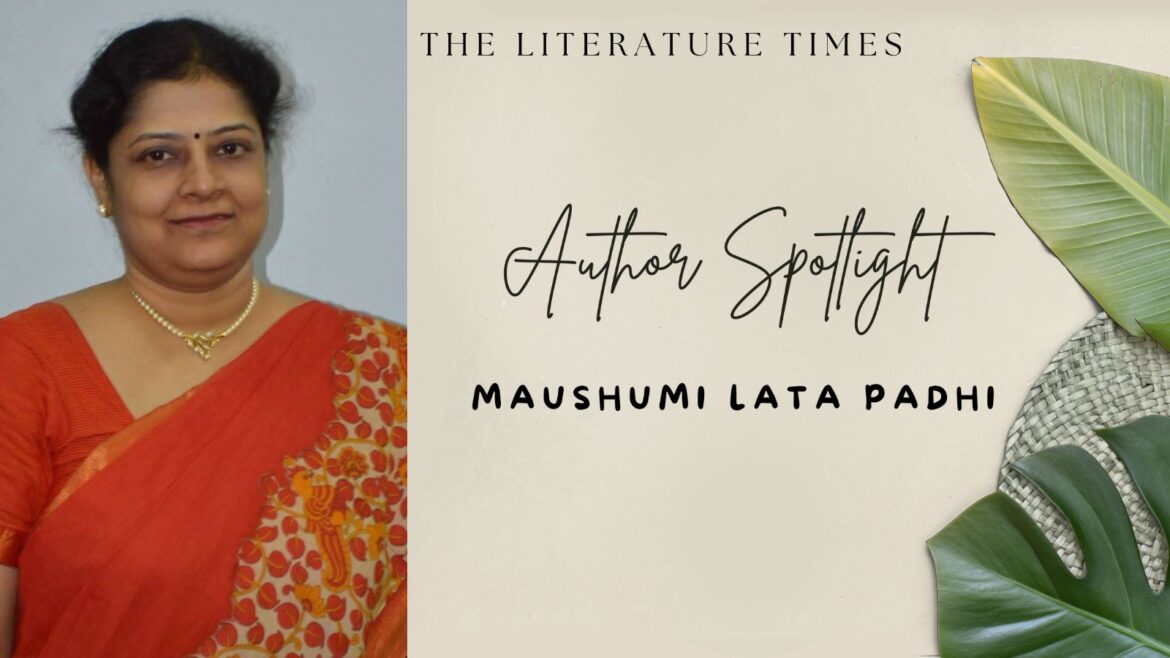
Maushumi Lata Padhi is a poet whose words resonate with the quiet strength of lived experience, blending the wisdom of a life dedicated to public service with the introspective depth of a reflective artist. With over thirty-two years in civil service, Padhi has spent much of her life navigating the complexities of governance, societal expectations, and human relationships, yet she has always carved a space for poetry as a form of personal exploration and connection. Her latest collection, A Better Me, is a testament to this dual life, a journey into self-discovery and transformation that mirrors the balance she has maintained between duty and creativity throughout her career.
A Better Me is not simply a book of poetry; it is a companion for those seeking courage, hope, and resilience in everyday life. Through her verses, Padhi captures the delicate interplay between past experiences, present struggles, and future aspirations, illuminating how one can embrace change while honoring personal history. Her poetry reflects a deep understanding of the human spirit, portraying the small yet profound victories that emerge from confronting challenges, letting go of past disappointments, and daring to envision a brighter tomorrow. Each poem acts as a mirror, inviting readers to reflect on their own lives, their hidden strengths, and the quiet moments of grace that often go unnoticed.
Padhi’s approach to poetry is rooted in intimacy and authenticity. She writes from a place of lived experience, bringing the domestic, the familiar, and the everyday into her work without diminishing its significance. Whether it is the calm of a garden, the warmth of family, the laughter of friends, or the comfort of one’s own home, these elements are not mere backdrops but sources of enduring strength and inspiration. In her hands, the ordinary becomes a lens through which resilience is measured and hope is cultivated. Her belief in the power of small joys and daily rituals reflects a philosophy that transformation does not always require grand gestures; sometimes, it begins with subtle acts of awareness, self-compassion, and persistence.
Her poetry is also a celebration of courage—the courage to face life honestly, to confront inner doubts, and to embrace change even when it feels uncertain. Padhi’s verses often invite readers to consider the ways in which fear, regret, or inertia can inhibit personal growth. Yet, rather than offering simplistic solutions, she crafts a space for reflection, allowing readers to encounter their own vulnerabilities and to find within themselves the fortitude to rise again. There is a gentle insistence in her work: that despite setbacks or moments of despair, the human spirit possesses an inherent capacity for renewal, and that even in the quietest spaces of life, one can discover profound strength.
This philosophy is reflected not only in the themes of her poetry but in her own life. Maushumi Lata Padhi describes herself as “2 in 1”—both a teacher and a student perpetually. This self-identification speaks to her enduring commitment to learning, personal growth, and the sharing of knowledge. Throughout her career in civil service, she has navigated complex responsibilities and societal expectations while continually nurturing her own intellectual and creative development. She embodies the belief that learning is a lifelong process and that teaching, in its truest sense, involves guiding others while remaining open to new insights oneself. This duality informs her writing, infusing it with a wisdom that is both instructive and empathetic, inviting readers to explore their own journeys with honesty and curiosity.
In A Better Me, Padhi’s poetry also serves as a source of optimism for daily life. It is a reminder that even amid routine struggles, moments of grace, clarity, and joy are accessible. The work encourages readers to consider how resilience is cultivated not only through external accomplishments but through internal practices—through attention to the self, recognition of one’s capacity for courage, and the nurturing of hope. Her verses act as gentle prompts, urging readers to pause, reflect, and engage with the small yet meaningful aspects of life that sustain and rejuvenate the spirit.
What makes Padhi’s work particularly compelling is the balance she strikes between universality and intimacy. While her poems are deeply personal, they resonate widely because they address emotions, experiences, and struggles that are common to many. Her reflections on hope, courage, and transformation speak to readers across ages, backgrounds, and walks of life. In this sense, A Better Me is not merely a collection of poetry but a conversation between the poet and her audience—a dialogue about growth, resilience, and the human capacity for renewal. It is both a personal testament and a shared resource, offering inspiration and insight to those who seek it.
Padhi’s journey as a poet also highlights the symbiotic relationship between professional life and creative expression. The discipline, observation, and empathy cultivated through her career in civil service inform her literary work, while her poetry, in turn, provides a reflective space that enriches her understanding of human nature. This interplay allows her to approach writing with both clarity and depth, crafting poems that are accessible yet layered, intimate yet universally resonant.
Ultimately, A Better Me is a celebration of the enduring human spirit. It encourages readers to embrace hope, confront their fears, and find strength in the simple joys of life. Through her poetry, Maushumi Lata Padhi offers a gentle but unwavering reminder that transformation is possible, that courage resides within, and that even the quietest moments can hold profound meaning. Her work is a gift to readers seeking reflection, inspiration, and a deeper connection to themselves and the world around them. In both her life and her writing, Padhi exemplifies the belief that becoming better is not a destination but an ongoing journey—a journey marked by resilience, compassion, and the courage to rise again.