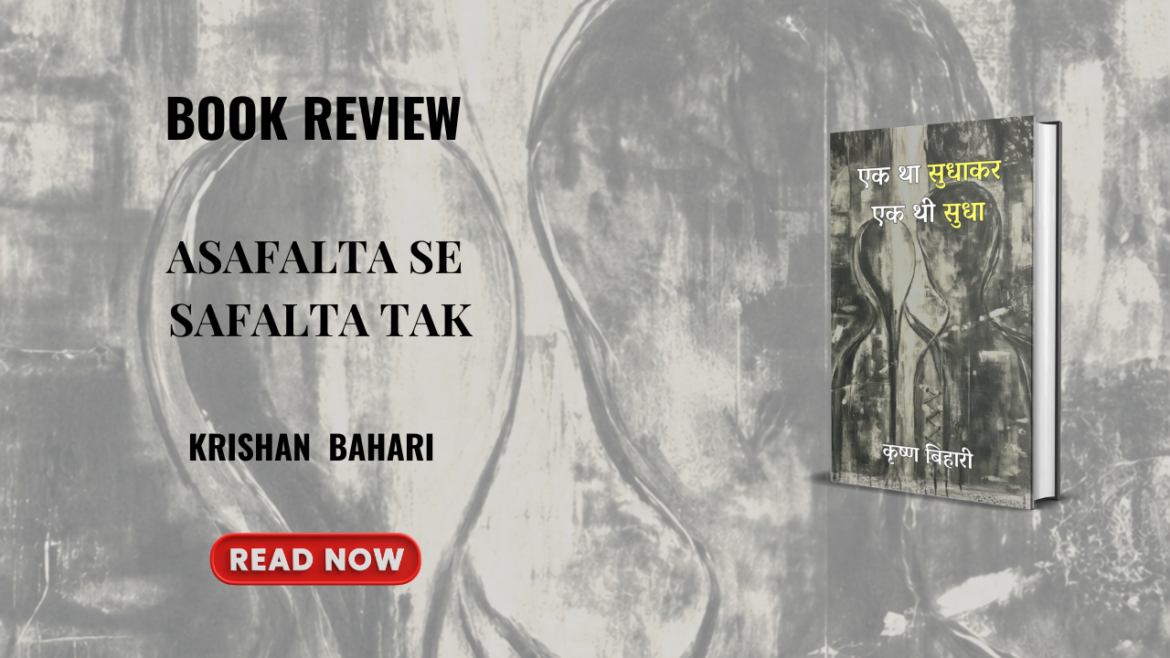
Title: Ek Thaa Sudhakar Ek Thii Sudha
Author: Krishna Bihari
ISBN: 978-93-4726-392-7
Publisher: Inksight Publishers
About The Book
Ek Thaa Sudhakar Ek Thii Sudha is a touching and evocative novel that beautifully captures the essence of rural life in northern India during a bygone era. Set against the scenic backdrop of the Rapti River and the town of Bansi in Uttar Pradesh, the story follows the life of Sudhakar, an intelligent, disciplined, and idealistic young student whose dreams, values, and emotions shape the course of his journey.
The novel vividly portrays the social, cultural, and educational environment of the late 1960s, bringing to life the simplicity, traditions, and relationships that defined village life. Through Sudhakar’s experiences, readers witness the aspirations of a young generation striving for knowledge, character, and self-improvement while navigating the realities of family, society, and nature.
At its heart, the book is also a tender tale of affection and human connection. The gradual and innocent bond that develops between Sudhakar and Sudha unfolds amidst the rhythms of rural life, creating moments of warmth, innocence, and emotional depth. Their story is woven into a larger narrative that celebrates love, duty, perseverance, and the enduring values of Indian culture.
Rich in descriptive detail and filled with memorable characters, Ek Thaa Sudhakar Ek Thii Sudha is more than a love story—it is a nostalgic journey into a world where relationships were cherished, ideals mattered, and life moved in harmony with nature. The novel offers readers a heartfelt reflection on memory, companionship, and the timeless beauty of human emotions.
Literature often becomes memorable when it captures the beauty of ordinary life and the emotions that connect people across generations. Ek Thaa Sudhakar Ek Thii Sudha by Krishna Bihari is one such novel that takes readers on a nostalgic journey into the heart of rural northern India. Filled with warmth, simplicity, and emotional depth, the book beautifully recreates a bygone era when life moved at a slower pace and relationships were valued deeply. Set in the picturesque surroundings of the Rapti River and the town of Bansi in Uttar Pradesh, the novel presents a vivid picture of village life during the late 1960s. Through its detailed descriptions and realistic characters, the book successfully transports readers to a time when traditions, community bonds, and personal values played an important role in everyday life.
At the centre of the story is Sudhakar, a bright, disciplined, and idealistic young student. He represents the aspirations of a generation that believed in education, hard work, and strong moral values. Sudhakar is not portrayed as a larger-than-life hero but as an ordinary young man with dreams, ambitions, emotions, and responsibilities. This realism makes his character relatable and appealing. As the story progresses, readers follow Sudhakar’s journey through education, personal growth, and emotional experiences. His dedication towards learning and self-improvement reflects the importance that rural families placed on education during that period. The author effectively captures the hopes and struggles of young people who wished to create a better future while remaining rooted in their cultural values.
One of the most touching aspects of the novel is the relationship between Sudhakar and Sudha. Their bond develops gradually and naturally, without unnecessary drama or exaggeration. The innocence of their affection reflects the social environment of the time, where emotions were often expressed through respect, understanding, and quiet companionship. The love story in the novel is gentle and heartwarming. It does not dominate the narrative but blends beautifully with the larger themes of family, duty, ambition, and social values. The relationship between Sudhakar and Sudha adds emotional richness to the story and gives readers many memorable moments filled with warmth and sincerity.
The novel also serves as a social and cultural document of rural India during the 1960s. Krishna Bihari vividly portrays village customs, festivals, educational institutions, family relationships, and community life. Readers gain insight into a period when life was closely connected with nature and social interactions carried genuine warmth and meaning. The Rapti River and the natural surroundings are more than just a backdrop in the novel. Nature becomes an active presence that shapes the mood and atmosphere of the story. The descriptions of the river, fields, seasons, and village landscapes create a sense of calmness and authenticity. The author’s love for his birthplace and its environment is clearly visible throughout the narrative.
One of the major strengths of the book is its simplicity. Krishna Bihari writes in a straightforward and engaging style. The language is easy to understand, yet it carries emotional depth and literary charm. Readers do not feel overwhelmed by complex language or unnecessary details. Instead, they are drawn into the story through natural conversations, realistic situations, and heartfelt emotions. The author’s own life experiences seem to enrich the narrative. Having spent his early years in Bansi and later serving in the Uttar Pradesh Public Works Department, Krishna Bihari gained a deep understanding of society, human behaviour, and rural life. These observations add realism and credibility to the story.
Another important theme of the novel is the importance of values. The book highlights qualities such as honesty, perseverance, respect for elders, responsibility, and dedication. These values are presented naturally through the actions of the characters rather than through direct preaching. As a result, the lessons feel genuine and meaningful. For older readers, the novel may evoke memories of their own youth and simpler times. For younger readers, it offers an opportunity to understand the social and cultural environment of an earlier generation. The emotions portrayed in the story—love, friendship, ambition, hope, and companionship—remain relevant even today.
Overall, Ek Thaa Sudhakar Ek Thii Sudha is a beautifully written and emotionally engaging novel that celebrates the timeless values of Indian culture and rural life. Krishna Bihari successfully combines nostalgia, romance, personal growth, and social observation into a compelling narrative. The novel reminds readers that true happiness often lies in simple relationships, meaningful connections, and the values that guide our lives. More than just a love story, it is a heartfelt reflection on memory, companionship, and the enduring beauty of human emotions. Readers who enjoy realistic fiction, cultural narratives, and emotionally rich storytelling will find this book both enjoyable and memorable.
By on Amazon: https://www.amazon.in/dp/9347263923
Review by Neel Preet
For www.theliteraturetimes.com