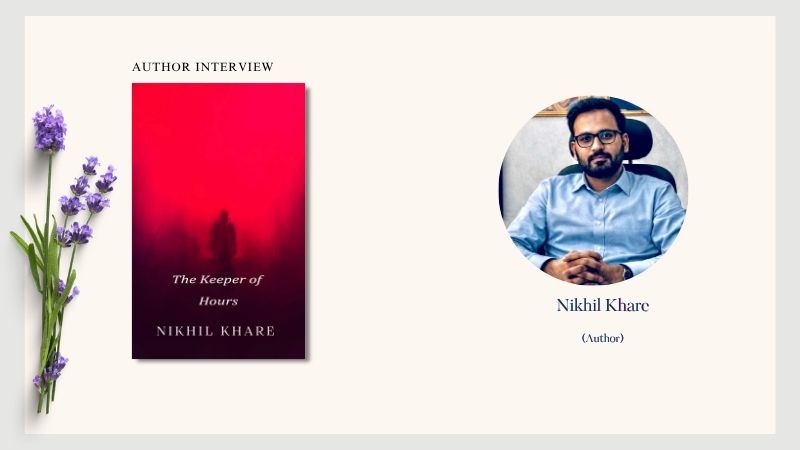
The Literature Times: What inspired you to set The Keeper of Hours: Berlin After the War in post-World War II Berlin, and what drew you to this particular period of history?
Author: Post war Berlin has always fascinated me because it represents a civilization standing between memory and reinvention. I was less interested in the war itself than in what follows after history stops making headlines. The ruins of Berlin became a metaphor for the ruins people carry within themselves. That period allowed me to ask timeless questions about guilt, forgiveness, survival, and whether humanity can truly begin again after unimaginable violence.
The Literature Times: Friedrich Adler is a psychologically complex protagonist. How did you develop his character, and what was the most challenging aspect of writing him?
Author: Friedrich Adler was never conceived as a hero. He is a man burdened by memory, constantly negotiating between duty and conscience. I wanted him to embody the uncomfortable truth that ordinary people often find themselves trapped inside extraordinary moral crises. The greatest challenge was ensuring that readers understood him without always agreeing with him. Complexity, rather than perfection, was the foundation of his character.
The Literature Times: Your novel explores themes of memory, identity, morality, and power. Which of these themes do you hope resonates most deeply with readers?
Author: All these themes are deeply interconnected, but if I had to choose one, it would be memory. Memory shapes identity, influences morality, and often determines how power is exercised. We inherit histories we did not create, yet we are responsible for deciding what to do with them. I hope readers reflect on the weight of memory in their own lives and societies.
The Literature Times: Your writing style is reflective and philosophical rather than fast-paced. Was this a deliberate creative choice from the beginning?
Author: Yes, absolutely. I have always believed that literature should invite reflection rather than merely accelerate the plot. I wanted the novel to linger in the reader’s mind long after the final page. The philosophical tone was therefore not an afterthought but the very language through which the story wished to express itself.
The Literature Times: How much historical research went into writing the novel, and how did you balance historical accuracy with fiction?
Author: The research process was extensive and involved studying post war Germany, political developments, social reconstruction, and personal memoirs from the period. However, research was always meant to support the emotional truth of the story rather than overwhelm it. Historical authenticity provides the setting, but fiction gives us access to the human heart.
The Literature Times: The novel presents morally complex characters instead of clear heroes and villains. Why was it important for you to tell the story in this way?
Author: Real life rarely offers absolute heroes or villains, particularly during moments of historical upheaval. People make impossible choices under impossible circumstances. By presenting morally layered characters, I wanted readers to question their own assumptions instead of receiving easy answers. Literature becomes most meaningful when it asks difficult questions rather than offering convenient judgments.
The Literature Times: What message or feeling do you hope readers carry with them after finishing The Keeper of Hours: Berlin After the War?
Author: I hope readers finish the novel with a greater appreciation for resilience and the fragile nature of humanity. More importantly, I hope they realise that history is never confined to museums or textbooks. It continues to live within individuals, shaping their choices across generations. If the novel encourages even a moment of deeper introspection, I would consider it successful.
The Literature Times: What can your readers look forward to next? Are you working on another novel or exploring a new genre?
Author: I am constantly exploring stories that blend history, philosophy, and psychology. Readers can certainly expect more literary fiction that examines the complexities of human nature, while also experimenting with new historical settings and contemporary themes. My goal remains the same: to tell stories that stay with readers long after they have closed the book.