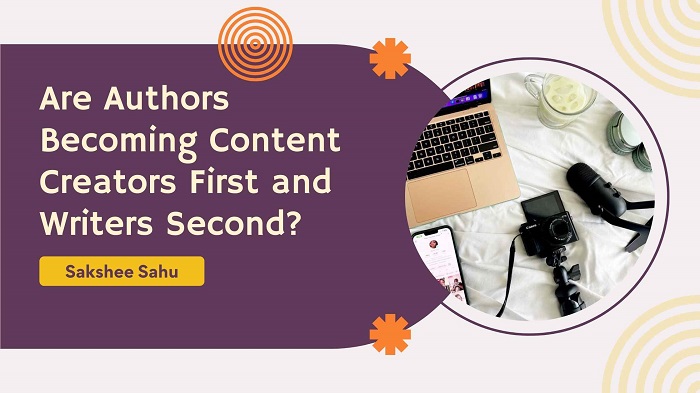
The image of the author has changed dramatically in the digital age. Once imagined as a solitary figure focused almost entirely on craft, today’s author is often expected to maintain an active social media presence, post regularly, engage with readers, analyze metrics, and keep up with ever-shifting platform trends. As visibility becomes a prerequisite for discoverability, a pressing question emerges: are authors slowly becoming content creators first and writers second? The answer is not simple. This shift reflects broader changes in media consumption, technology, and the publishing ecosystem, raising important questions about creativity, sustainability, and what it truly means to be an author today.
Get Free Publishing Guide:
The Expanding Role of the Modern Author
In an era dominated by algorithms and short-form content, books rarely sell themselves on merit alone. Readers discover stories through reels, threads, newsletters, podcasts, and online communities. As a result, authors are increasingly expected to produce content beyond their books—behind-the-scenes posts, writing updates, personal reflections, trend-driven videos, and interactive discussions. This content is not necessarily about storytelling in the traditional sense; it is about visibility, relatability, and consistency.
New Article: https://www.theliteraturetimes.com/how-to-repurpose-one-book-into-20-pieces-of-promotional-content/
For many authors, especially those without the backing of large publishing houses, content creation has become a survival skill. Platforms reward frequent posting and audience engagement, which pushes authors to think like marketers and influencers. Over time, the energy spent on crafting posts, tracking performance, and staying relevant can rival—or even exceed—the time spent writing itself. This does not mean authors care less about their books, but it does mean their creative labor is now split across multiple formats, each with its own demands and expectations.
At the same time, this expanded role offers opportunities. Authors can bypass traditional gatekeepers, build direct relationships with readers, and shape their own narratives. Content creation allows writers to humanize themselves, turning the author into a familiar presence rather than a distant name on a cover. The challenge lies in balance: when the author’s identity becomes too tied to constant output, writing risks becoming just one content stream among many rather than the central creative act.
The Impact on Creativity and the Writing Process
The pressure to remain visible can subtly influence how and why authors write. When audience growth and engagement metrics become central, creative decisions may start to align with what performs well online rather than what feels artistically necessary. Some authors feel compelled to write faster, serialize their work, or tailor ideas to trending genres and tropes because these are more “marketable” as content. Over time, this can blur the line between authentic expression and strategic production.
Must Read: https://www.theliteraturetimes.com/one-book-is-not-enough-creating-a-long-term-author-brand
Constant content creation can also fragment attention. Writing a book requires sustained focus, patience, and a tolerance for silence—qualities that clash with the fast-paced feedback loops of social media. Switching repeatedly between deep creative work and public-facing engagement can lead to burnout, creative fatigue, or a sense that the writing itself is never quite enough. For emerging authors, this pressure can be particularly intense, as they may feel that failure to grow an audience reflects a failure as a writer.
However, the relationship between content creation and creativity is not purely negative. Some authors find that sharing their process deepens their understanding of their work and strengthens their commitment to finishing projects. Community feedback can be motivating, and explaining ideas publicly can sharpen an author’s voice. The key difference lies in whether content serves the writing or replaces it as the primary focus. When content creation supports the creative process, it can be empowering; when it dominates, it risks turning writing into a byproduct rather than the core purpose.
Redefining Authorship in a Content-Driven World
The rise of content-focused authorship forces a broader redefinition of what it means to be a writer today. Historically, authorship was validated by publication and critical recognition. Now, visibility, community size, and personal branding often play an equally important role. Readers do not just buy books; they follow authors. They invest in personalities, values, and ongoing narratives that extend beyond a single title.
This shift does not necessarily diminish the importance of writing, but it does change how success is measured. An author with a modest-selling book but a loyal, engaged audience may be more sustainable than one with a single hit and no direct reader connection. In this context, content creation becomes part of a long-term relationship-building strategy rather than a distraction from writing. The danger lies in equating constant presence with creative worth, which can marginalize quieter authors or those who prefer privacy.
Ultimately, authors are not becoming content creators instead of writers; they are being asked to be both. The challenge is resisting the idea that visibility defines legitimacy. Writing remains the foundation—without a compelling book, content has nothing lasting to support. As the industry continues to evolve, the most resilient authors may be those who use content creation as a tool rather than an identity, ensuring that storytelling remains at the heart of their work while adapting thoughtfully to the demands of a content-driven world.