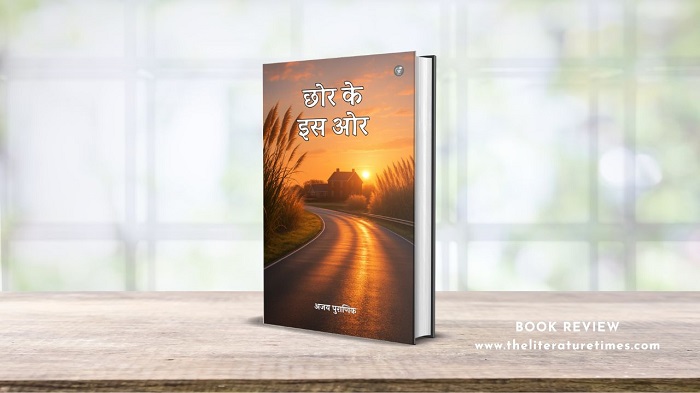
Chhor Ke Is Or is a quietly powerful collection that gives voice to lives often pushed to the margins of contemporary storytelling. Ajay Puranik turns his gaze toward senior citizens not with nostalgia alone, but with empathy, honesty, and emotional depth. These stories do not romanticize old age, nor do they reduce it to suffering. Instead, they present later life as a complex emotional landscape where dignity, solitude, memory, regret, resilience, and hope coexist.
What stands out most in this collection is its sensitivity. Each story unfolds gently, allowing the reader to enter the inner worlds of its characters—people who have lived long lives, built relationships, made sacrifices, and now find themselves navigating changing roles and shifting emotional ground. Puranik captures the subtle transitions of time: the silence that replaces once-busy households, the quiet strength behind routine gestures, and the unspoken longing for connection and recognition. The emotions are never overstated; they emerge naturally, often through small moments and understated interactions, making the narratives deeply relatable.
The relationships depicted in the book are particularly striking. Whether it is the bond between spouses, the evolving dynamics between parents and children, or fleeting connections with strangers, each relationship reflects how time reshapes human ties. There is loneliness here, but it is not empty or hollow—it is reflective, layered with memories and quiet acceptance. At the same time, the stories hold space for hope, showing that emotional warmth, self-respect, and meaning do not fade with age. Even in the twilight years, the characters retain a sense of inner light.
One of the collection’s greatest strengths is its ability to prompt introspection. As the author suggests, these stories function as mirrors. While reading about the elderly, readers are inevitably led to reflect on their own lives—on how they treat older generations, on the passage of time, and on the emotional futures they themselves are moving toward. The narratives gently question modern society’s tendency to overlook senior citizens, reminding us that every aging individual carries a lifetime of experiences, emotions, and untold stories.
Ajay Puranik’s writing is calm, observant, and grounded in lived experience. His long career in the banking sector and his engagement with people from diverse walks of life clearly inform his storytelling. There is a maturity in his voice that comes from close observation rather than dramatic invention. Writing in Hindi adds an additional layer of authenticity, allowing emotions, cultural nuances, and everyday realities to resonate more deeply. The language remains accessible yet thoughtful, enabling the stories to connect with a wide range of readers.
The author’s concern for human dignity is evident throughout the collection. Rather than portraying old age as a decline, he presents it as a phase rich with emotional truth. The elderly characters are not defined by their limitations but by their inner strength, memories, and enduring sense of self. In doing so, the book becomes not just a literary work but also a quiet social commentary on empathy, respect, and emotional awareness.
Overall, Chhor Ke Is Or is a meaningful and emotionally resonant anthology that shines a gentle light on the overlooked corners of human experience. It is a book that stays with the reader, not through dramatic twists, but through its honesty and emotional clarity. By celebrating the dignity and inner radiance of senior citizens, Ajay Puranik offers stories that are deeply human, reflective, and profoundly relevant—stories that remind us that even as life moves toward its later chapters, it continues to hold warmth, meaning, and quiet illumination.