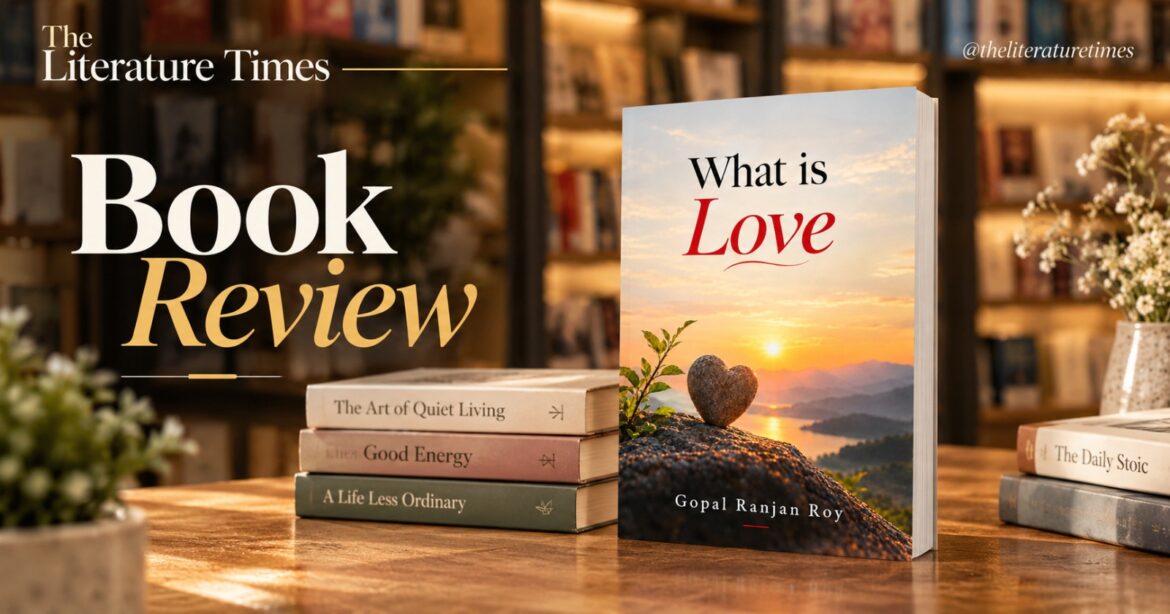
Love is one of the most frequently discussed emotions in human life, yet its true meaning often remains unexplored. People associate love with relationships, affection, romance, and family, but its significance extends far beyond these familiar expressions. In WHAT IS ‘LOVE’, author Gopal Ranjan Roy invites readers to look at love from a broader perspective, presenting it as a way of living that connects humanity, nature, morality, and the spirit of togetherness. The book encourages readers to reflect on how love influences their choices, relationships, and understanding of the world around them.
One of the central ideas explored in the book is that love cannot be restricted to physical attraction or personal relationships. It is a deeper emotion that can be found in compassion, kindness, brotherhood, and the willingness to stand beside others. Through this perspective, Roy encourages readers to recognise love as an essential part of everyday life rather than something limited to special occasions or individual relationships. His message is simple but meaningful: love gives life its purpose, and without it, even the most comfortable existence can feel empty.
The book places particular emphasis on brotherhood and togetherness. In a world where people are increasingly occupied with their personal ambitions, responsibilities, and concerns, the author reminds readers of the importance of remaining connected to one another. He questions the growing distance between neighbours and communities, suggesting that people often live close to one another physically while remaining emotionally disconnected. His reflections encourage readers to become more attentive to the lives of those around them and to understand that genuine human connection begins with small acts of care and consideration.
Another important theme in WHAT IS ‘LOVE’ is the relationship between humanity and nature. Roy believes that nature offers abundant opportunities to experience love, peace, and harmony. However, modern life often keeps people away from the natural world, leaving them disconnected from an important source of emotional and spiritual fulfilment. The author presents this separation as a cause for concern and encourages readers to rediscover their relationship with nature. His message suggests that observing the natural world, appreciating its beauty, and living in harmony with it can help people develop a greater sense of gratitude and compassion.
The book also addresses changing family and social relationships. The author’s concern about the increasing number of old-age homes reflects his belief that elderly people deserve affection, companionship, and care from their families and communities. Similarly, his observations about divorce express his conviction that love requires patience, understanding, and a willingness to maintain meaningful relationships. These subjects introduce a serious dimension to the book, encouraging readers to consider whether modern society is giving sufficient importance to emotional bonds and family responsibilities.
While discussing these concerns, Roy connects love with morality and ethics. For him, love is not merely an emotion that people experience privately; it should also influence how they behave towards others. A person who genuinely values love should be more sensitive to suffering, more willing to help those in need, and more conscious of the consequences of their actions. The author expresses concern that people have become increasingly indifferent to the difficulties faced by others. Through his reflections, he urges readers to bring compassion back into everyday conduct and recognise that humanity becomes stronger when individuals care about more than their own interests.
A particularly thoughtful aspect of the book is its reminder that human life is temporary. Everyone enters the world without possessions and eventually leaves it behind. This truth encourages readers to reconsider the importance they attach to material achievements, social status, and personal possessions. Roy’s philosophy places greater value on contentment, gratitude, and meaningful relationships. He advocates accepting one’s circumstances while remaining appreciative of life’s blessings. This emphasis on satisfaction and simplicity gives the book a reflective quality, inviting readers to examine what truly matters in their lives.
Gopal Ranjan Roy’s personal background provides context for the values expressed throughout the book. An Arts graduate from the University of Delhi and the son of an Army personnel, he describes growing up in a family where discipline, affection, and mutual support were important. His experiences with his parents and siblings, along with the support of his wife and children, have shaped his belief in brotherhood and togetherness. These personal influences appear closely connected to the message he hopes to communicate through his writing: that a fulfilling life depends not only on individual success but also on the love and understanding shared with others.
The strength of WHAT IS ‘LOVE’ lies in its sincerity and its focus on universal human values. Rather than treating love exclusively as a romantic experience, the book encourages readers to recognise its presence in family life, social responsibility, nature, and everyday kindness. Its message is accessible to readers from different backgrounds because the emotions and concerns it explores are familiar to most people. The author’s intention is not simply to define love but to encourage a change in perspective, urging people to become more conscious of how they treat others and how they participate in society.
Overall, WHAT IS ‘LOVE’ by Gopal Ranjan Roy is a reflective work that invites readers to reconsider the place of love in their lives. Its themes of compassion, brotherhood, family values, contentment, and harmony with nature form the foundation of its message. The book encourages readers to look beyond themselves and rediscover the importance of human connection in an increasingly disconnected world. For those who appreciate books that explore life’s deeper questions and promote positive social values, this work offers an opportunity for reflection. Its central message remains clear: love is not simply something to receive or express in words; it is a principle that should guide the way we live, care, and connect with the world around us.