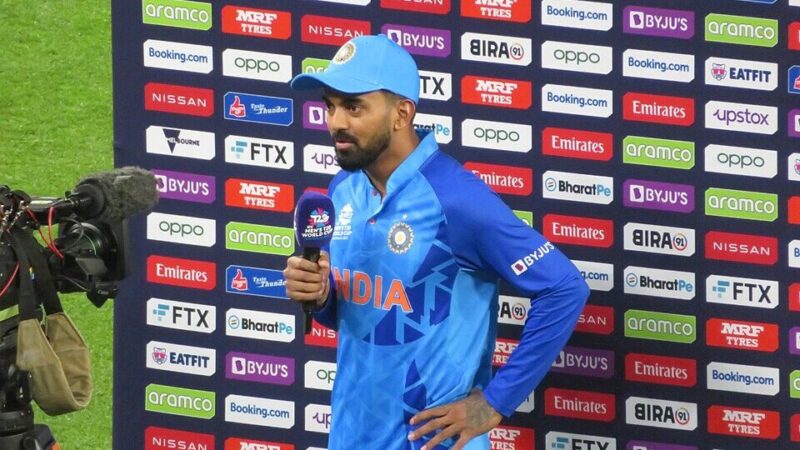
Wellington, 21 November 2026: India ended Day 3 of the first Test against New Zealand at Basin Reserve on 486 for 4 after 125 overs, taking a 118-run first-innings lead over the hosts’ 368. KL Rahul’s 136 anchored the innings, captain Shubman Gill scored 98 before being bowled in the final over, and Rishabh Pant was unbeaten on 55. These are confirmed stumps figures for Saturday, not the result of a completed Test match. The figures are supported by the ICC’s 21 November match report and the day-end scorecard.
India vs New Zealand 1st Test: Day 3 score at stumps
| Match detail | Confirmed position after Day 3 |
|---|---|
| Match | New Zealand vs India, 1st Test, Wellington |
| Date | Saturday, 21 November 2026 — stumps on Day 3 |
| New Zealand, first innings | 368 all out (121 overs) |
| India, first innings | 486/4 (125 overs) |
| India’s lead | 118 runs, with six first-innings wickets remaining |
| Leading Indian scores | KL Rahul 136; Shubman Gill 98; Yashasvi Jaiswal 85; Devdutt Padikkal 80; Rishabh Pant 55 not out |
| Match status | In progress; play to resume on Day 4 |
India started the third day on 159/1, already responding strongly to New Zealand’s first-innings total. They added 327 runs for the loss of three wickets. That steady accumulation, rather than a late burst alone, explains how the visitors moved from chasing the hosts’ total to holding an advantage before their first innings was complete.
KL Rahul’s 136 provides the foundation
Rahul was the central figure. The opener made 136 from 290 balls, recording his 13th Test century, according to the ICC and Reuters’ 21 November report. He put on 165 for the second wicket with Devdutt Padikkal, whose 80 ensured New Zealand could not quickly break into India’s middle order.
The pair’s value lay in their ability to absorb pressure. On a surface that became easier for batting, the New Zealand attack needed regular breakthroughs to protect its first-innings lead. Rahul and Padikkal instead made the hosts bowl through lengthy spells and kept the scoreboard moving without abandoning caution. Padikkal was eventually dismissed by Kyle Jamieson; Rahul later fell to Nathan Smith.
That innings was also significant for Rahul personally. The century was his first in New Zealand, the ICC reported. His patience gave the later batters freedom to accelerate as the match moved into the final session.
Shubman Gill falls for 98 in the last over
Gill’s innings was the day’s sharpest late twist. The India captain reached 98 from 146 deliveries, bringing India well beyond New Zealand’s total, but Jacob Duffy bowled him in the final over. What looked set to be a century ended two runs short. The wicket did not erase India’s advantage, although it offered New Zealand a breakthrough just before the close.
Rishabh Pant, meanwhile, contributed an unbeaten 55 from 62 balls and helped extend the lead past 100. India ended the day four down rather than three, with Anshul Kamboj surviving the final deliveries. With six wickets still available in their first innings, India have an opportunity to add to the lead when play resumes, but the outcome remains undecided.
A rare achievement for India’s top five
India’s batting was not built around a single standout performance. Yashasvi Jaiswal had already scored 85, Rahul added 136, Padikkal made 80, Gill contributed 98 and Pant crossed fifty. As the ICC highlighted, it was the first time India’s top five batters all scored 50 or more in an away Test innings.
That distinction matters because overseas Test matches can require a side to adjust rapidly to unfamiliar conditions. In Wellington, all five principal batters made substantial contributions, preventing New Zealand from turning isolated wickets into sustained pressure.
How New Zealand’s earlier recovery shaped the contest
New Zealand had its own story of resilience. After falling to 70/5 on the opening day, the hosts recovered to 368 through Henry Nicholls’ 175 and Glenn Phillips’ 118. The dramatic opening-day recovery was covered in The Literature Times’ Day 1 report, which recorded the situation as it stood at that day’s close, before their innings was complete.
New Zealand will now want to dismiss India’s remaining batters without allowing the lead to become substantially larger. The surface, the weather and the number of overs available over the next two days will all influence whether either side can force a result. No prediction should be mistaken for a confirmed outcome.
What happens on Day 4?
Play is scheduled to continue on Sunday, 22 November 2026. India will resume its first innings at 486/4, and New Zealand must first take six wickets before it can bat again. The immediate questions are how far India can extend the 118-run advantage and how the hosts respond when their second innings begins.
The Test follows India’s recent one-day series against New Zealand. For context, readers can also revisit our report on the fifth ODI and series result; the ODI result is separate from this ongoing Test match.
India vs New Zealand Day 3: Frequently asked questions
What was the score at stumps on 21 November?
India were 486/4 in 125 overs, leading New Zealand’s 368 by 118 runs in the first innings.
How many runs did KL Rahul score?
Rahul scored 136 from 290 balls, his 13th Test hundred.
Did Shubman Gill score a century?
No. Gill was bowled by Jacob Duffy for 98 during the final over of Day 3.
Has India won the first Test?
No. The Test was still in progress at the close of play on Saturday, 21 November. The scores above are stumps figures, not a final match result.
Image credit: Archival 2022 photograph of KL Rahul by Storm machine / Wikimedia Commons, under CC BY-SA 4.0. Edited to 16:9 for layout. This is not a photograph from the 2026 Wellington Test.
Score and match status checked against the ICC and day-end scorecard on 21 November 2026. This is a completed Day 3 report; it does not include later play.







Your perspective matters
Share your thoughts respectfully. Comments are moderated.