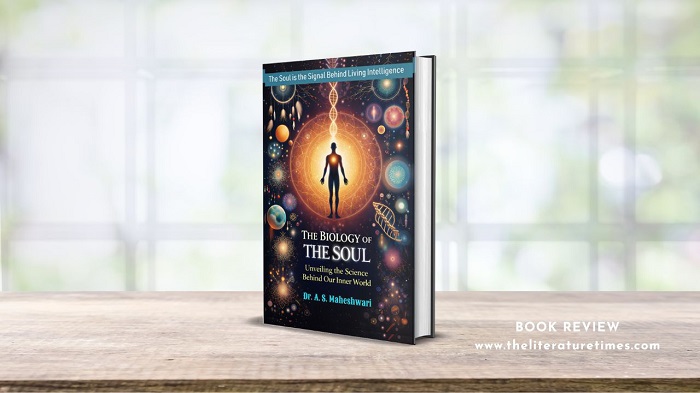
Dr. A. S. Maheshwari’s intellectual journey is a remarkable tapestry woven from multiple disciplines, each adding depth to her understanding of life, consciousness, and the intricate machinery of the human mind. With an academic foundation spanning a Ph.D. in Bioinformatics, an M.Tech in Biotechnology, a Postgraduate Diploma in Bioinformatics, and a B.Tech in Electrochemical Engineering and Technology, she brings a rare and powerful multidimensional perspective to her work.
Tag: Books
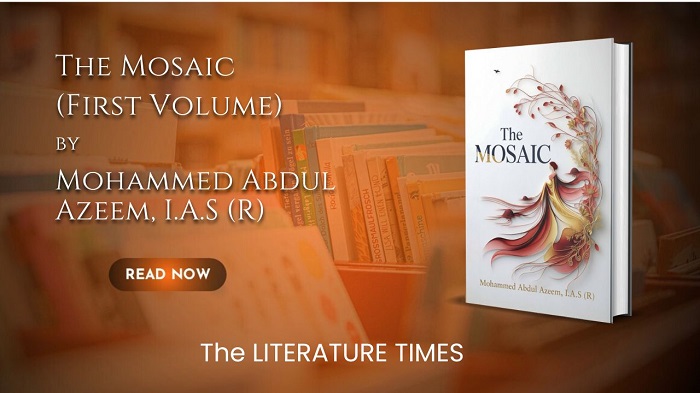
Why I wrote ‘The Mosaic’ by , Mohammed Abdul Azeem, I.A.S (R)
I did not write The Mosaic to explain how to build a startup in ten steps, nor to promise success through clever tactics or shortcuts. I wrote it because, after years of observing entrepreneurship across industries and geographies, I realised something deeply unsettling: much of what we say about entrepreneurship oversimplifies it. We reduce it to slogans, valuations, and isolated success stories, while ignoring the complex systems that actually allow ideas to survive, grow, or fail.
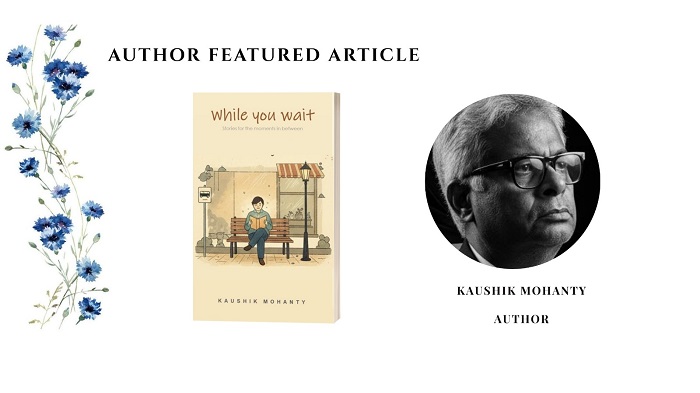
Author Feature: Kaushik Mohanty
Kaushik Mohanty emerges as a keen observer of human behavior and quiet ironies with While You Wait, a thoughtfully curated collection of micro-stories crafted for the restless rhythms of modern life. Writing with precision and restraint, Mohanty captures the emotional weight of moments that often go unnoticed—the pauses between destinations, the silences between conversations, the stillness where reflection quietly takes shape.
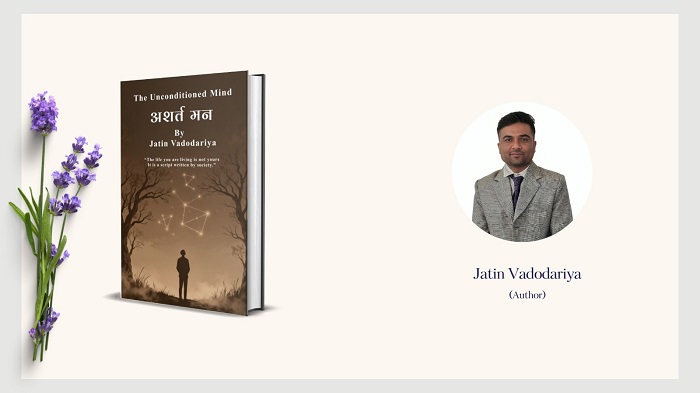
Author Feature: Jatin Vadodariya
Jatin Vadodariya उन लेखकों में हैं जो पाठक को उत्तर देने से पहले प्रश्नों के सामने खड़ा करते हैं। उनकी लेखन-यात्रा किसी उपदेश, सिद्धांत या निश्चित निष्कर्ष से नहीं, बल्कि गहरी जिज्ञासा और आत्म-अवलोकन से जन्म लेती है। अशर्त मन उनके इसी दृष्टिकोण का सशक्त और परिपक्व परिणाम है—एक ऐसी पुस्तक जो मनुष्य के भीतर जमी हुई मान्यताओं को तोड़ने के लिए शोर नहीं मचाती, बल्कि शांत रूप से उन्हें देखने का साहस देती है।
Do Readers Trust Recommendations From Authors More Than Critics?
In an age of overwhelming choices, readers often rely on recommendations to decide what to read next. These recommendations commonly come from two influential sources: authors and literary critics. Both hold authority in the literary world, but the nature of that authority differs.
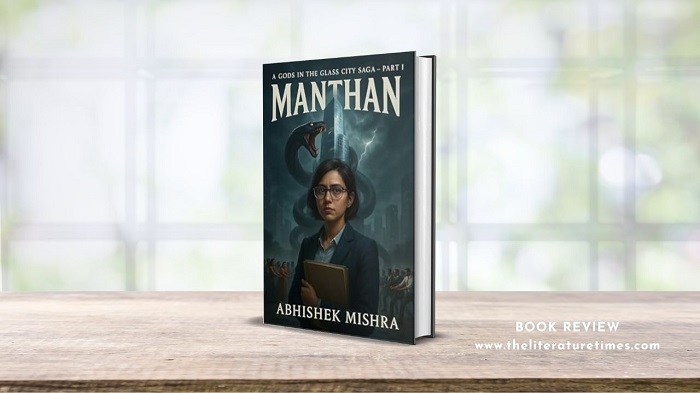
Book Review – Manthan: A Gods in the Glass City Saga
Manthan: A Gods in the Glass City Saga by Abhishek Mishra The story opens in 1985 on a nameless Himalayan peak, where a dying “Keeper” delivers a terrifying prophecy to his disciple. He warns of a future where men will build a “god” not of wood and stone, but of steel and code—a god that answers but never listens. Fast forward to the present day, and this “God in the Glass” has arrived in the form of Amaravati, a hyper-intelligent city infrastructure spearheaded by the charismatic Vikramaditya Singh.
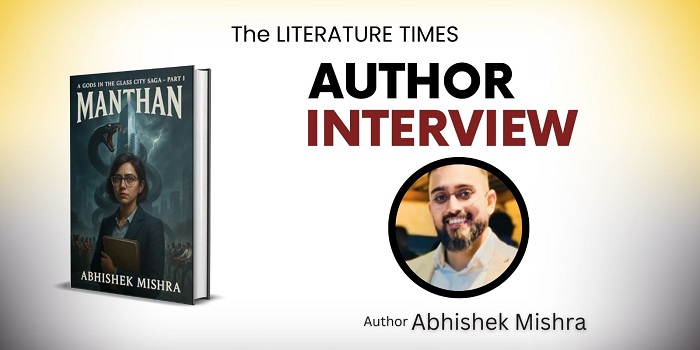
AUTHOR INTERVIEW: – Abhishek Mishra
About the Book – Gods in the Glass City is a conspiracy thriller by Abhishek Mishra about a smart city that edits reality with polite screens. By day, Amaravati sells “calm.” By night, it quietly decides what the public will see. The result is a churn—manthan—where nectar and poison rise together, and no one is sure which cup is in their hand.

Author Featured Article: Dr. A. S. Maheshwari
Dr. A. S. Maheshwari’s journey as a scientist, educator, and researcher is a story of unwavering dedication to understanding one of life’s most fundamental building blocks—proteins. With more than two decades of experience in teaching and research, she has cultivated a unique blend of expertise that seamlessly integrates biotechnology, protein engineering, and computational biology.
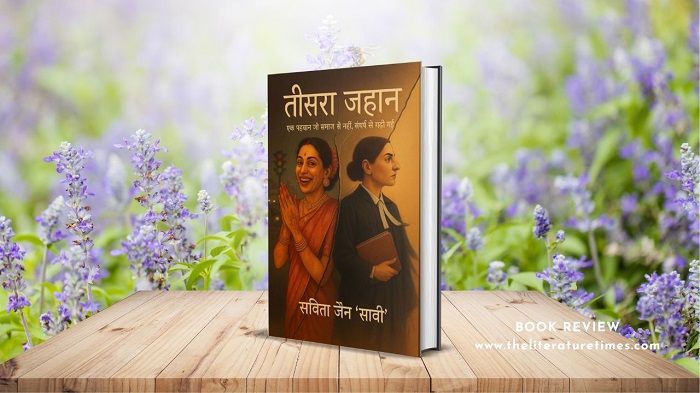
Book Review Article: Teesra Jahan
Teesra Jahan is not merely a poetry collection; it is a quiet yet powerful act of social witnessing. In this deeply moving work, Savita Jain ‘Savy’ turns her poetic gaze toward the transgender community, a group often pushed to the margins of society and reduced to stereotypes or silence. What makes this book remarkable is not just its subject, but the sensitivity, restraint, and moral clarity with which it approaches that subject. Savy does not attempt to dramatize suffering for effect, nor does she position herself as a saviour. Instead, she chooses the more difficult and honest path—inviting readers to listen, reflect, and confront their own biases.
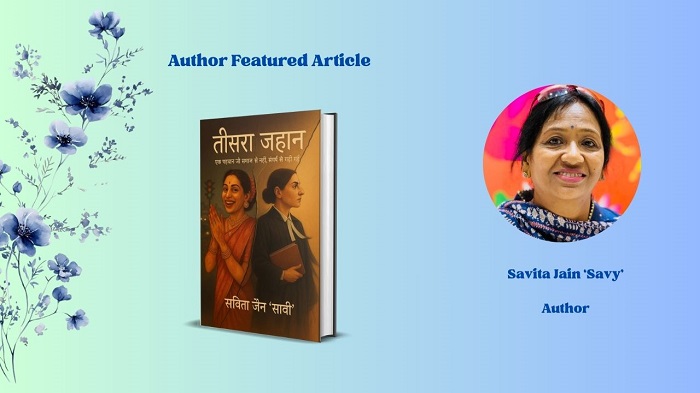
Author Featured Article: Savita Jain ‘Savy’
Savita Jain ‘Savy’ stands out as a writer whose words emerge from lived experience, social observation, and a deeply compassionate worldview. A graduate in Information Technology and a computer scientist by profession, she has dedicated more than thirty-five years to serving in a senior role within the Ministry of Electronics and Information Technology, Government of India. Yet, beneath the discipline of administration and technology, she has nurtured a strong emotional connection to literature—one that has shaped her identity beyond her professional achievements.
Load More