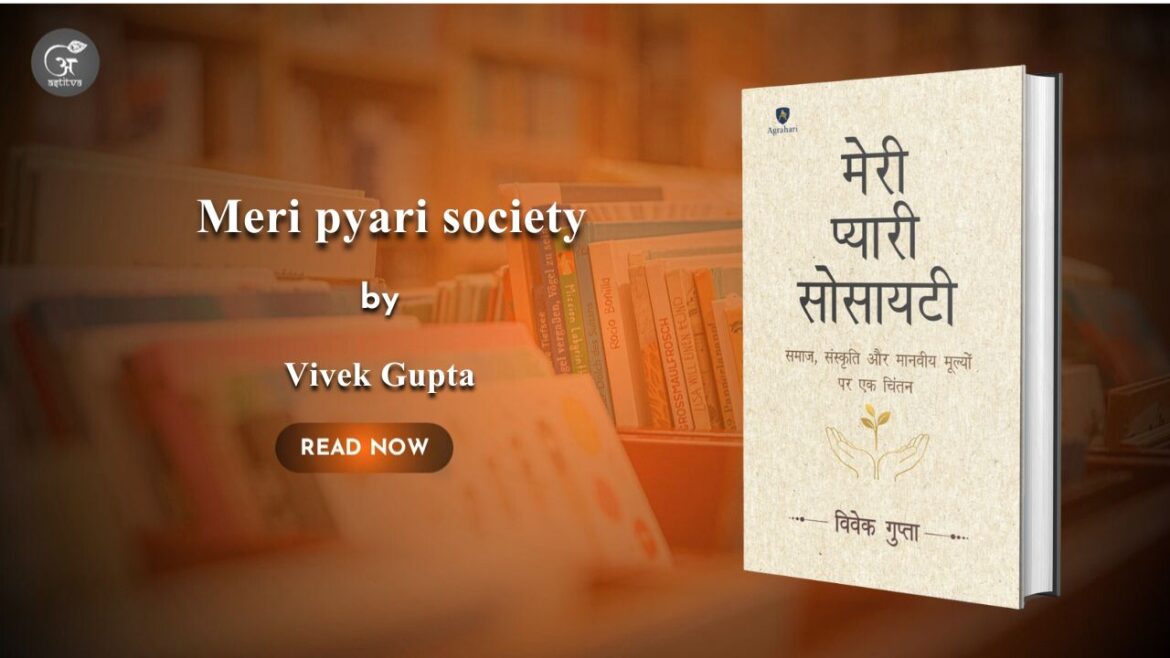
Meri Pyari Society, authored by Vivek Gupta, is a thoughtful and socially resonant book that arrives at a time when Indian society is negotiating a delicate balance between its cultural roots and the pressures of modern life. Designed for readers across age groups and social backgrounds, the book offers a calm yet compelling reflection on how traditions, values, and contemporary thinking can coexist meaningfully.
At its heart, Meri Pyari Society is not merely a commentary on social structures but an exploration of the human emotions, responsibilities, and moral choices that shape them. Vivek Gupta takes readers through familiar yet often overlooked aspects of everyday life—family bonds, the aspirations and confusion of youth, the role of women, and the evolving definition of values in a fast-paced world. Rather than presenting rigid judgments, the book encourages dialogue, introspection, and awareness.
The strength of the book lies in its balanced perspective. Gupta neither romanticizes the past nor blindly celebrates modernity. Instead, he examines how Indian cultural roots provide stability and meaning, while modern thinking offers opportunities for growth and change. Through simple language and relatable observations, the book urges readers to question how their thoughts, behaviors, and postponed decisions collectively influence society’s direction.
Each theme in Meri Pyari Society is grounded in realism. Discussions on family highlight the emotional gaps created by modern lifestyles, while chapters on youth reflect the tension between ambition and values. The book’s engagement with women’s roles and social responsibilities is particularly sensitive, emphasizing dignity, equality, and inner strength without resorting to slogans or superficial arguments. Throughout, positive thinking and social awareness form the core message, reminding readers that lasting change begins within individuals.
Vivek Gupta’s voice as an author is reflective and sincere. He writes not as a preacher or critic, but as a fellow participant in society’s ongoing conversation with itself. His belief that society is a living system—shaped by emotions, ethics, and accountability—resonates strongly in the narrative. The book consistently returns to the idea that external reforms are ineffective without internal transformation, and that self-reflection is the first step toward meaningful social change.
About the author, Vivek Gupta is a sensitive writer and social thinker whose work emerges from lived experience, Indian culture, and moral inquiry. For him, writing is a dialogue with the unanswered questions of society—questions about identity, responsibility, and purpose. His opposition to superficiality, discrimination, and mechanical living is expressed not through confrontation, but through thoughtful clarity. Inspired by cultural wisdom and human sensitivity, he views life as a journey of awareness rather than a race for outcomes.
Meri Pyari Society stands as an extension of this philosophy. It does not instruct readers on what to think, but gently invites them to look inward, reflect on their role in society, and rediscover the courage to contribute positively. In doing so, the book becomes more than a social commentary—it becomes a mirror, offering readers the chance to see both society and themselves with greater honesty and hope.