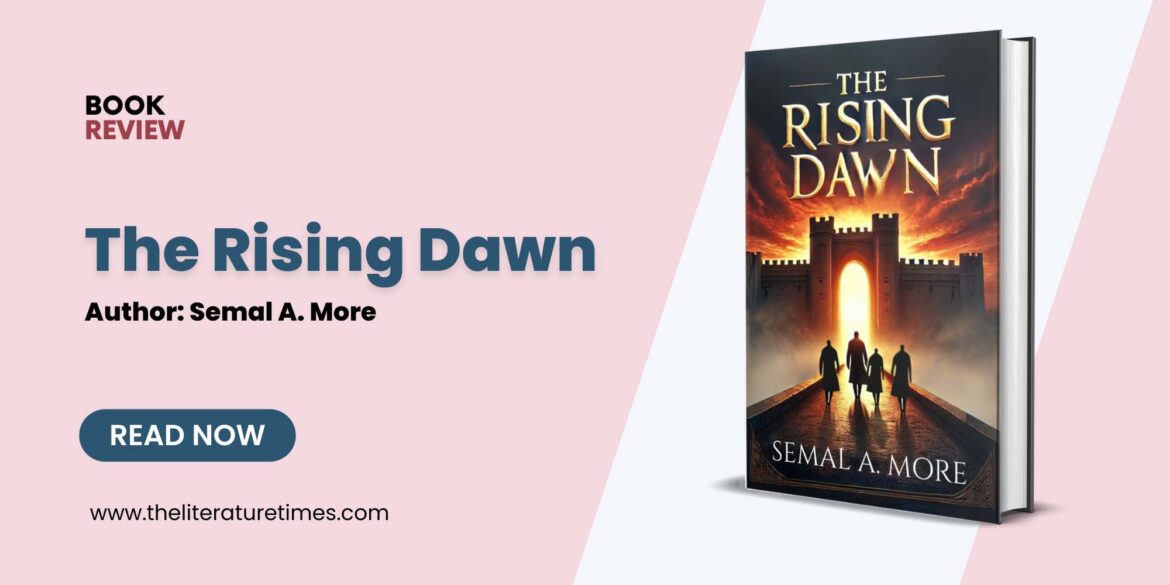
Reading The Rising Dawn by Semal A. More is like peeling layers of a deeply personal wound that society often ignores. At its surface, the book narrates a story of friendship, betrayal, and imprisonment, but as one reads further, it unveils the harsh realities of systemic injustice and human vulnerability.
The story opens with profound philosophical reflections on self-identity, loneliness, and the burden of existence. The narrator questions what defines us and how easily we drift away from ourselves in search of acceptance and belonging. These introductory pages do not rush into the plot but instead prepare the reader’s mind to absorb the pain, confusion, and helplessness that define the protagonist’s journey.
The narrative revolves around five friends – Krishna, Rahul, Sunny, Chasmis, and the unnamed narrator – who live in carefree companionship until life takes a brutal turn. Sunny, the enigmatic and distant member of the group, is eventually revealed to be involved in car theft and burglaries. His actions, rooted in greed and loneliness, become the catalyst for the tragic downfall of the entire group.
One of the most haunting sections is Sunny’s confession. His tears, guilt, and desperation portray a young boy trapped by his own mistakes and illusions. The writing captures the complexity of his character – not purely evil, not purely innocent, but deeply flawed, like many real human beings lost in their choices.
The arrest scenes are intense and immersive. The fear, shock, and helplessness felt by the friends as police interrogate them are described with chilling realism. The courtroom scenes further unravel societal prejudices, corruption, and the powerlessness of ordinary citizens trapped in legal systems that often punish the voiceless while protecting the powerful.
The author’s commentary on systemic failure is sharp and unflinching:
“We have robust laws in place, but we’ve failed to scrutinize or understand the individuals tasked with enforcing them.”
This resonates strongly, especially in a society where injustice is often hidden beneath bureaucratic procedures and official indifference. The narrative exposes how poor families become collateral damage in the power games of corrupt officials.
However, the strength of The Rising Dawn lies not just in its plot but in its emotional honesty. The narrator’s reflections on friendship, trust, and betrayal are deeply relatable. When the protagonist’s mother tells him, “Never trust anyone so blindly that you later feel embarrassed about whom you trusted,” it echoes the universal truth of growing up – learning that trust is sacred and fragile.
The imprisonment chapters are equally gripping. The author describes jail as a place where human dignity is stripped away – “Jail is not just physical confinement; it is a crushing of the human spirit.” The detailed descriptions of prison procedures, humiliation, and mental torment provide a stark, unromanticised portrayal of life behind bars.
Sunny and Lalu’s journey into prison is depicted with harrowing honesty. Their fear, regret, and silent breakdowns highlight the dehumanising impact of the prison system. The author also portrays the emotional toll on families left outside, waiting for ten-minute visits to offer some semblance of comfort to their sons.
Amidst the despair, there are fleeting moments of hope and warmth – like when the narrator’s mother packs food for Sunny, knowing his own mother is too broken to think about such small comforts. These gestures illuminate the hidden kindness in human hearts, even in the darkest times.
Critique
The book’s primary strength lies in its philosophical undertones and psychological depth. However, readers who prefer plot-driven fast-paced narratives might find the introspective style slightly heavy. The prose often digresses into philosophical musings that, while meaningful, sometimes disrupt the story’s pace.
Additionally, certain editing inconsistencies, such as abrupt scene shifts, could be streamlined to enhance readability. Nonetheless, these are minor concerns compared to the book’s overall impact.
Final Thoughts
The Rising Dawn is not merely a novel; it is a mirror reflecting uncomfortable truths about society, justice, and human vulnerability. Semal A. More writes with empathy and courage, refusing to gloss over the pain of betrayal or the suffocating reality of imprisonment.
This book will resonate with readers who seek literature that challenges social norms, provokes introspection, and portrays the raw edges of life with poetic sensitivity. It reminds us that no matter how tragic our fall, dawn will rise – though the light it brings might forever carry the shadows of what we once lost.
Title: The Rising Dawn
Author: Semal A. More
Publisher: Evincepub Publishing