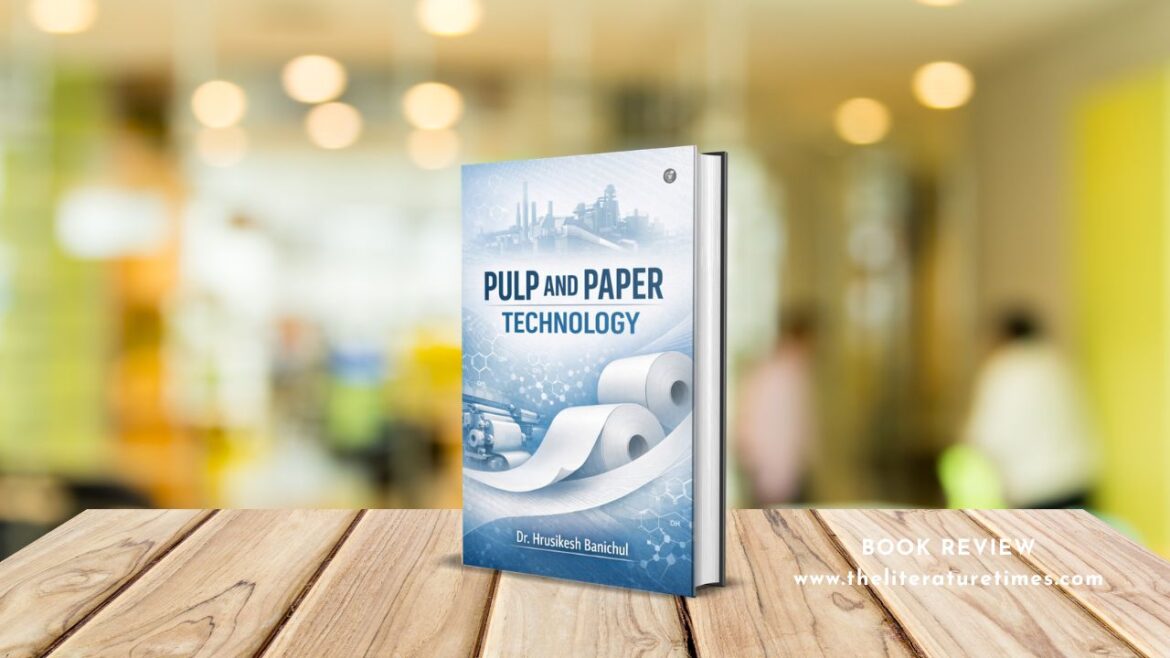
The book Pulp and Paper Technology by Dr. Hrusikesh Banichul is a comprehensive academic resource that presents an in-depth understanding of the science and technology behind pulp and paper production. Designed for undergraduate and postgraduate students, researchers, and professionals working in the pulp and paper industry, the book successfully integrates fundamental scientific concepts with practical industrial applications. It serves as a valuable guide for anyone seeking to understand the complex processes involved in transforming raw wood materials into paper and paperboard products.
The book begins with a detailed introduction to the history, classification, and chemical composition of paper and paperboard. This foundational section helps readers understand how paper has evolved as an essential material in modern society and highlights the importance of raw materials in determining the quality and properties of paper products. The author provides a thorough discussion of the structural and chemical components of wood, including cellulose, hemicellulose, lignin, and various extractives. By explaining these components in detail, the book lays a strong scientific basis for understanding how wood behaves during pulping and papermaking processes.
A particularly valuable aspect of Pulp and Paper Technology is its exploration of wood anatomy and its relevance to papermaking. The author clearly explains how the physical and chemical structure of wood influences processing efficiency and paper quality. This approach allows readers to connect fundamental material science with real industrial processes. Such integration of theory and practice makes the book highly useful for both academic study and professional reference.
The chapters dedicated to pulping technologies are among the most informative sections of the book. These chapters discuss raw material preparation, chemical pulping processes, and the reaction chemistry involved in major industrial methods such as sulphite and kraft pulping. The author carefully explains process variables and operational conditions that affect pulp quality and production efficiency. Modern developments in pulping technology are also addressed, reflecting the evolving practices of the global pulp and paper industry.
Another important strength of the book is its discussion of chemical recovery systems and sustainability in pulp production. Topics such as black liquor processing, recausticizing operations, alternative recovery technologies, and the utilization of lignin by-products are presented in a clear and systematic manner. These sections highlight the environmental and economic considerations associated with modern pulp and paper manufacturing, making the book relevant to current industrial challenges and sustainable development goals.
The text also covers critical downstream processes such as washing, screening, and cleaning of pulp. In addition, the book provides an extensive explanation of bleaching chemistry, including traditional and advanced bleaching agents, reaction mechanisms, and operating conditions. The discussion on stock preparation, chemical additives, fillers, dyes, and sizing systems further explains how these factors influence the final properties and quality of paper products.
The expertise of the author, Dr. Hrusikesh Banichul, is evident throughout the book. With more than fifteen years of experience in academic teaching, industrial research, and applied chemical science, he brings a balanced perspective that combines theoretical knowledge with practical insights. His background in catalysis, industrial chemistry, and environmental sustainability enhances the technical depth and relevance of the work.
Overall, Pulp and Paper Technology stands out as an authoritative and well-structured reference in the field of pulp and paper science. Its clear explanations, systematic presentation, and emphasis on both fundamentals and industrial practices make it an essential resource for students, researchers, and professionals involved in chemical engineering and paper technology.