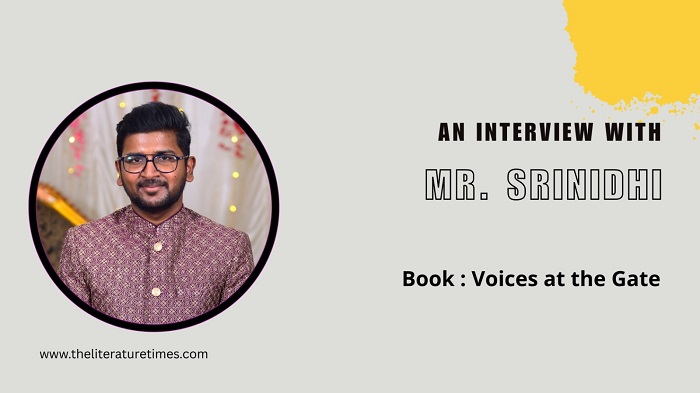
The Literature Times: Srinidhi, what inspired you to write Voices at the Gate, and why did you choose to tell the story from the perspective of a security guard?
Srinidhi: This story is inspired by a real-life security guard I met at my previous workplace. Although he never received any recognition, I stood there reflecting on how, if we didn’t exist—if the safety and security department didn’t exist in society—places would not be safe. That inspired me to write this story.
The Literature Times: How did your professional journey in safety, fire, and security roles influence the realism and emotional depth of the narrative?
Srinidhi: My professional journey in safety, fire, and security roles has deeply influenced the realism and emotional depth of my narrative. Working in high-stakes environments taught me to observe human behavior under pressure, understand the nuances of crisis management, and appreciate the subtle emotions that surface during moments of danger or uncertainty. These experiences allowed me to craft characters and situations that feel authentic, capturing not just the external drama of emergencies but also the internal struggles, fears, and resilience that define people in such moments. The lessons in vigilance, empathy, and leadership from my career have helped me infuse my stories with a grounded perspective and emotional truth, making the narrative resonate more powerfully with readers.
The Literature Times: Mr. Raghav Naik represents many unsung heroes. How much of his character is drawn from real-life experiences you have witnessed?
Srinidhi: Mr. Raghav Naik’s character is inspired by many real-life experiences I have witnessed throughout my career in safety, fire, and security roles. He embodies the quiet courage, resilience, and unwavering sense of duty that I have seen in countless colleagues and frontline workers—people who often work behind the scenes, facing immense challenges without seeking recognition. Their dedication, professionalism, and ability to remain composed in the face of adversity have directly shaped Mr. Naik’s personality and actions in the narrative. While his story is fictional, the essence of his character is deeply rooted in the real-life heroes I have encountered, making him a tribute to their unspoken sacrifices and steadfast commitment.
The Literature Times: What were the biggest challenges you faced while portraying the silent struggles and dignity of security personnel?
Srinidhi: The biggest challenge in portraying the silent struggles and dignity of security personnel was capturing the authenticity of their experiences without dramatizing or oversimplifying their realities. Security staff often face emotional and physical hardships—long hours, isolation, and the weight of responsibility—yet they rarely speak about these challenges. Translating their quiet endurance into a compelling narrative required careful observation and empathy. I had to balance showing their vulnerabilities while honoring their professionalism and pride. Ensuring that their dignity remained intact, even in moments of personal struggle, was crucial. It was important to avoid stereotypes and instead highlight the subtle, everyday acts of courage and compassion that define their true character.
The Literature Times: The book highlights recognition and dignity in labor. What change do you hope this story brings to society and the industry?
Srinidhi: I hope this story inspires society and the industry to recognize the invaluable contributions of laborers, especially those in security and other frontline roles. By highlighting their dignity, resilience, and silent sacrifices, I want readers to develop a deeper respect for the people who keep our communities safe and functioning. In the industry, I hope it encourages better working conditions, fair wages, and more meaningful recognition for these professionals. Ultimately, my goal is to spark conversations that lead to greater empathy, appreciation, and systemic change, ensuring that every worker is valued not just for their labor, but for their humanity and worth.
The Literature Times: How do you balance storytelling with social responsibility when addressing real-world issues in your writing?
Srinidhi: Balancing storytelling with social responsibility means weaving real-world issues into the narrative in a way that feels authentic and impactful, without turning the story into a lecture or losing its emotional core. I focus on creating characters and situations that reflect genuine struggles, so readers connect with them on a human level. At the same time, I ensure the story highlights important themes—like dignity, fairness, and resilience—without oversimplifying complex issues. My aim is to inform and inspire, encouraging empathy and reflection, while keeping the narrative engaging and true to life. This approach allows me to address social issues responsibly, sparking meaningful conversations without compromising the power of storytelling.
The Literature Times: Can you share a moment from your career that deeply moved you and eventually found its way into this book?
Srinidhi: One moment that deeply moved me—and eventually found its way into the book—was during a night shift when I witnessed a security guard quietly helping a distressed visitor find their lost child. The guard went far beyond his official duties, staying calm, reassuring the family, and coordinating with others until the child was safely reunited. What struck me most was his humility; he didn’t seek praise or recognition, but simply returned to his post as if nothing extraordinary had happened. That quiet act of compassion and responsibility left a lasting impression on me. It became the inspiration for a pivotal scene in the book, where the protagonist’s actions reflect the same selflessness and dignity, reminding readers that heroism often lies in the simplest, most uncelebrated acts.
The Literature Times: What message would you like readers to take away after finishing Voices at the Gate?*
Srinidhi: I hope readers take away a deeper appreciation for the quiet strength and dignity of those who work behind the scenes—especially security personnel and other frontline workers. “Voices at the Gate” is a reminder that every individual has a story worth hearing, and that true heroism often lies in everyday acts of courage, compassion, and resilience. I want readers to recognize the humanity in those who guard our gates, protect our spaces, and keep our lives running smoothly, often without acknowledgment. Ultimately, my message is simple: listen to the voices often overlooked, value every contribution, and remember that dignity and worth are not defined by position, but by character.
The Literature Times: How has writing this book changed your own perspective on leadership and empathy?
Srinidhi: Writing this book has profoundly deepened my understanding of leadership and empathy. Through exploring the lives of security personnel and other frontline workers, I realized that true leadership isn’t about authority or position—it’s about presence, compassion, and the willingness to listen and support others, especially in moments of crisis. I learned that empathy is not just feeling for someone, but truly seeing them, understanding their struggles, and acting with kindness even when it’s not required. The process of writing helped me recognize the quiet strength in those who lead by example, often without recognition. It has inspired me to approach leadership with greater humility and to practice empathy more consciously, both in my professional and personal life.
The Literature Times: Do you plan to continue writing stories that highlight overlooked professions and voices in society?
Srinidhi: Yes, I absolutely plan to continue writing stories that highlight overlooked professions and voices in society. These narratives matter because they bring attention to the people whose contributions often go unnoticed, yet are essential to the functioning and well-being of our communities. By giving voice to these individuals, I hope to foster greater awareness, empathy, and appreciation for their work. There are so many untold stories waiting to be shared, and I feel a strong sense of responsibility to keep amplifying them through my writing.