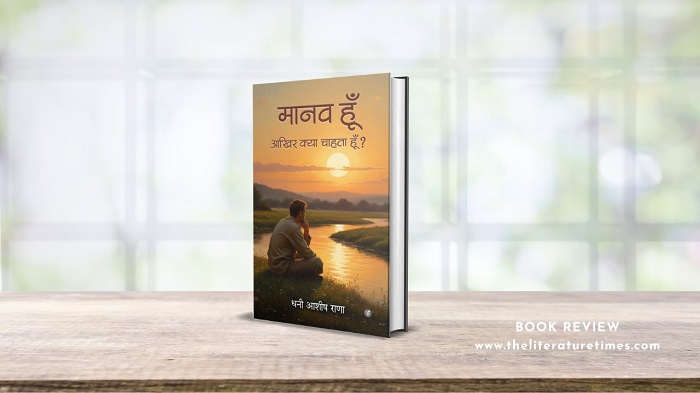
“Maanav hoon, aakhir kya chaahata hoon” is not just a poetry collection; it is a deeply introspective journey into the raw, unfiltered core of human existence. This book courageously opens doors to conversations that society often keeps locked away—pain, injustice, suppressed emotions, and the fragile hopes that survive despite everything.
The poems move fluidly between darkness and resilience. On one side, they echo the silent screams of victims of cruelty—rape, dowry, emotional exploitation, and social hypocrisy. On the other, they gently illuminate the quiet strength of the human soul—the instinct to heal, to rise, and to continue living even after being shattered. This emotional duality gives the book its soul: it does not merely make you feel sorrow; it teaches you to acknowledge it and still search for light.
What makes the collection powerful is its simplicity. Dhani Ashish Rana does not hide behind complex metaphors or heavy vocabulary. His words are honest, relatable, and unpretentious. They speak directly to the heart, allowing readers to recognize themselves within the verses. At several moments, the poems make you pause, reflect, and question—Who are we as humans? What do we truly seek? Why do we inflict pain, and why do we still crave love despite it?
The poet beautifully explores themes of dignity, belonging, emotional wounds, and the longing for acceptance. Instead of preaching, he allows the reader to travel through emotions—fear, loss, love, courage, empathy—and experience them deeply. The balance between sensitivity and strength is one of the biggest strengths of this book.
Another remarkable aspect is the emotional authenticity. It is evident that these poems come from lived experiences, observed realities, and heartfelt reflections. There is compassion in the writing, and with it, a subtle but powerful hope that humanity can still heal, learn, and evolve.
This book is especially meaningful for readers who appreciate poetry that reflects life as it is—without filters, without pretence, and without denial. It is for those who wish to feel, not just read. For those who have ever felt broken, unheard, misunderstood, or emotionally overwhelmed, this book offers companionship and understanding.
In the end, “Maanav hoon, aakhir kya chaahata hoon” leaves readers with a profound realization—every human being ultimately seeks respect, love, acceptance, and peace. And sometimes, poetry becomes the only language powerful enough to express that silent longing.
A deeply moving, thought-provoking, and emotionally resonant work—this book is a must-read for anyone who believes in the power of words to heal and awaken humanity.